28 August – International Mountain Rescue Day

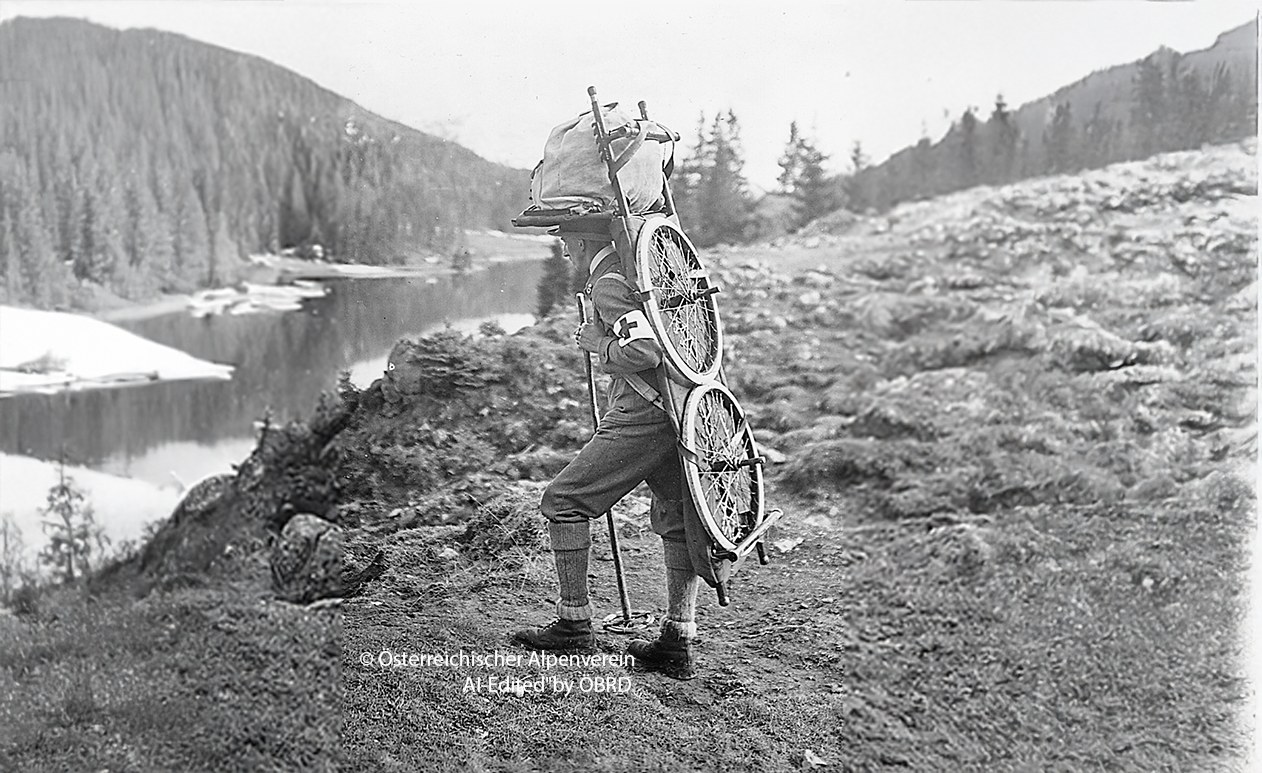
On 28 August 1948, one of the most important milestones in the history of mountain rescue was marked. On this day, in the Wilder Kaiser massif in Austria, and at the invitation of the Austrian Alpine Club, pioneers of mountain rescue from several countries gathered for the first time to exchange knowledge, experience, and visions for coordinated action in the most demanding and high-risk environments.

This historic meeting laid the foundations for the establishment of ICAR – the International Commission for Alpine Rescue, which officially began its work in 1955. Today, ICAR represents a global network of 123 member organisations from 41 countries, united through shared standards, continuous training, and mutual professional support.

ICAR stands as a symbol of international solidarity, trust, and professional cooperation, and above all, of a shared commitment to the highest mission: saving human lives in mountainous and hard-to-access areas.

On the occasion of International Mountain Rescue Day, the Mountain Rescue Service expresses its deep respect and sincere gratitude to all mountain rescuers around the world — both professionals and volunteers — who, with courage, dedication, and selflessness, often place their own lives at risk to ensure the safety of others.

Your work is more than a service; it is a calling, a mission, and a powerful example of humanity, solidarity, and collective responsibility.
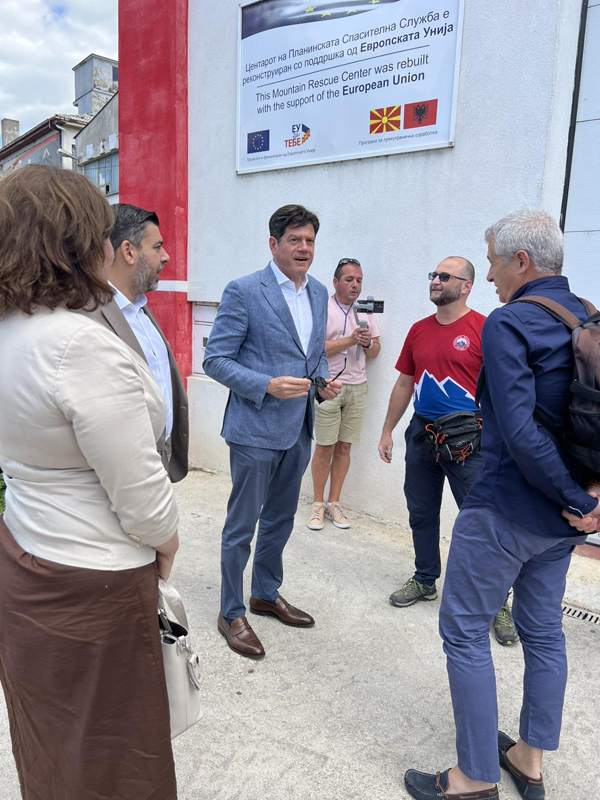
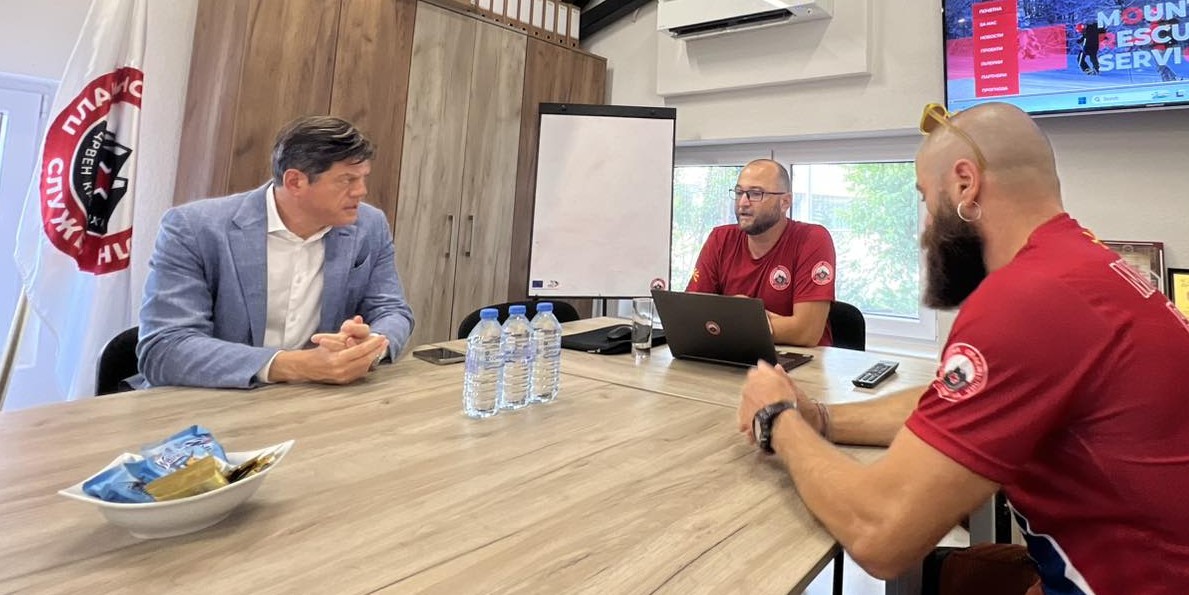
High-Level Meeting with the European Union Ambassador in Ohrid

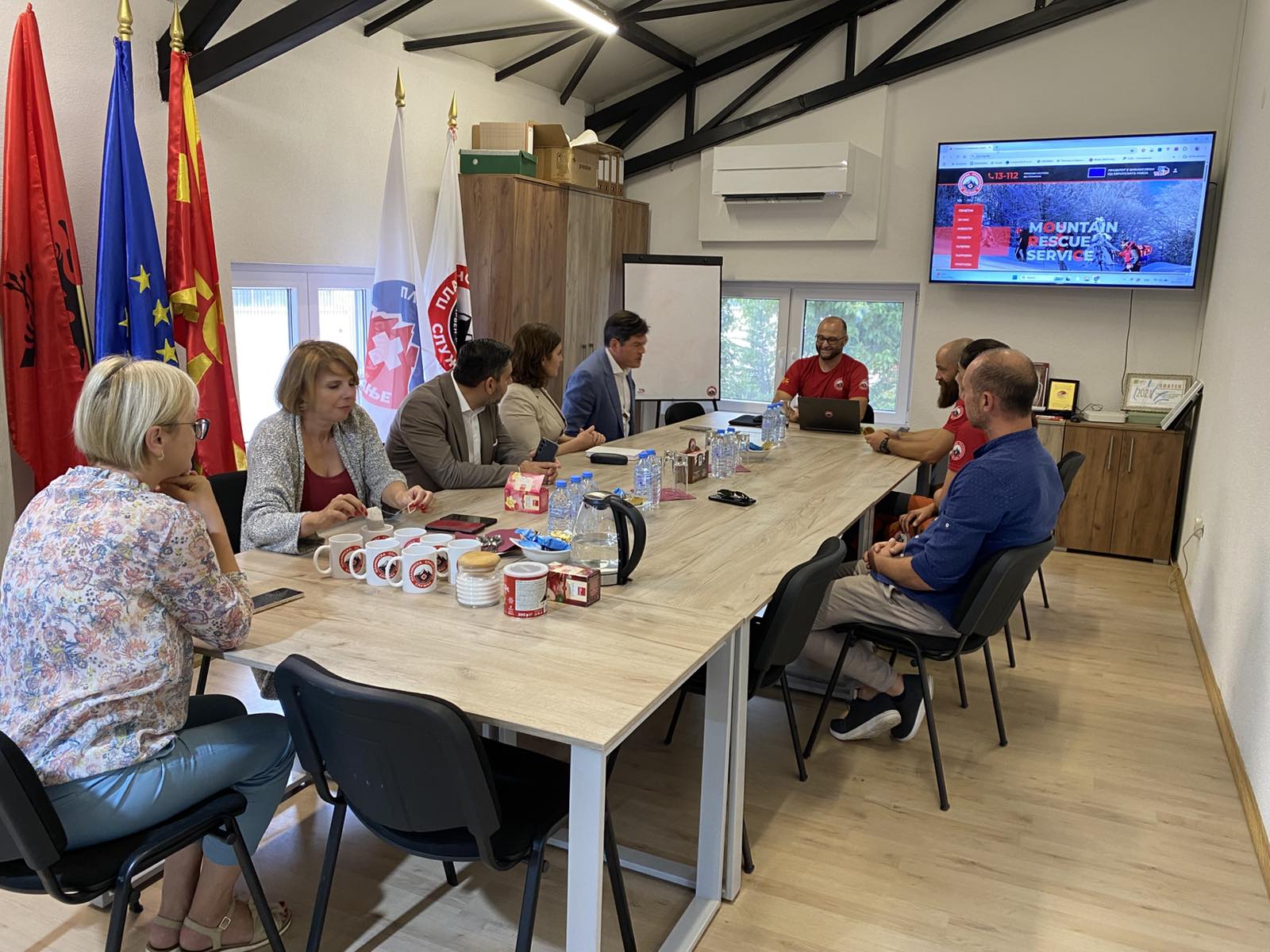
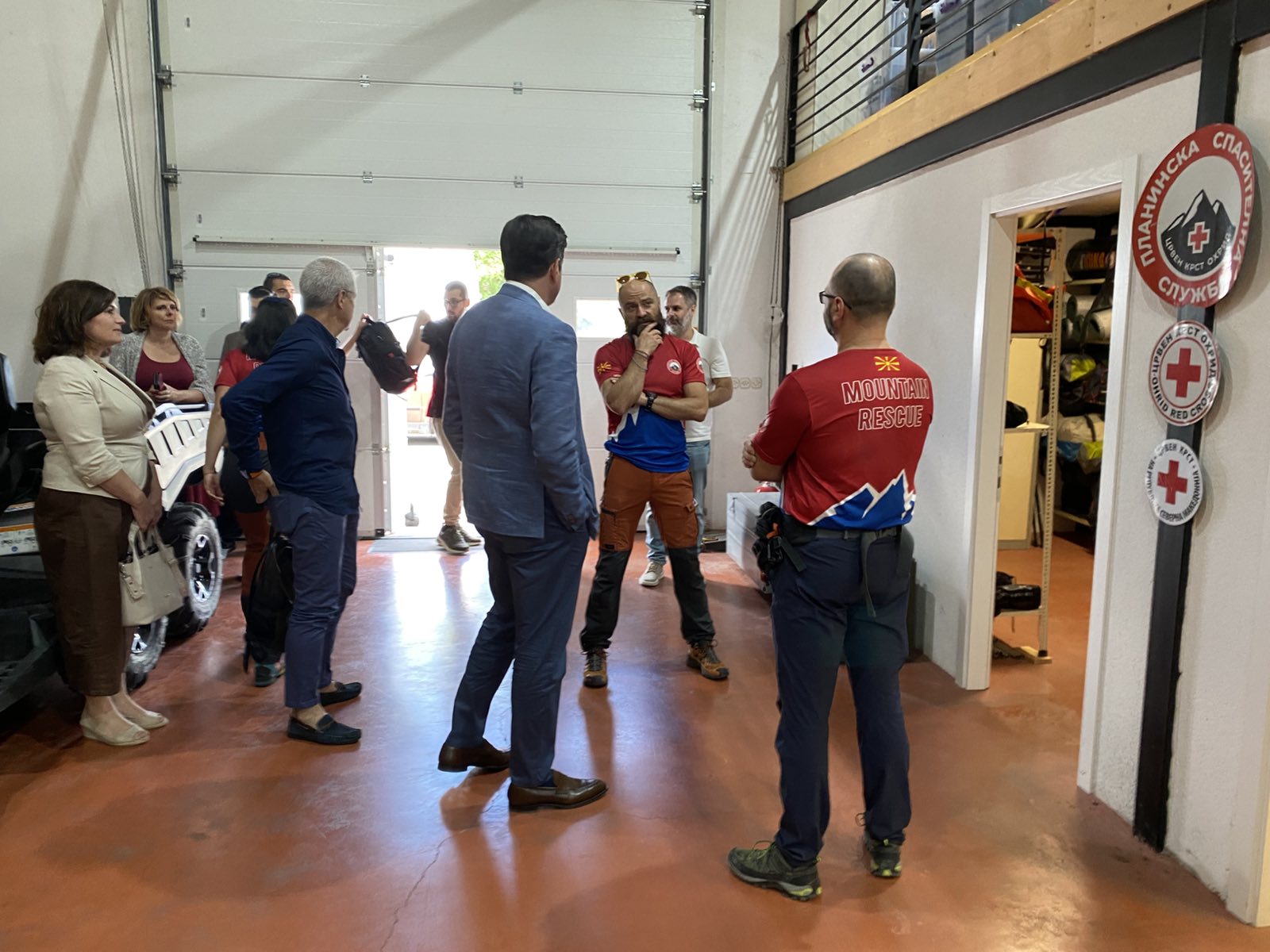
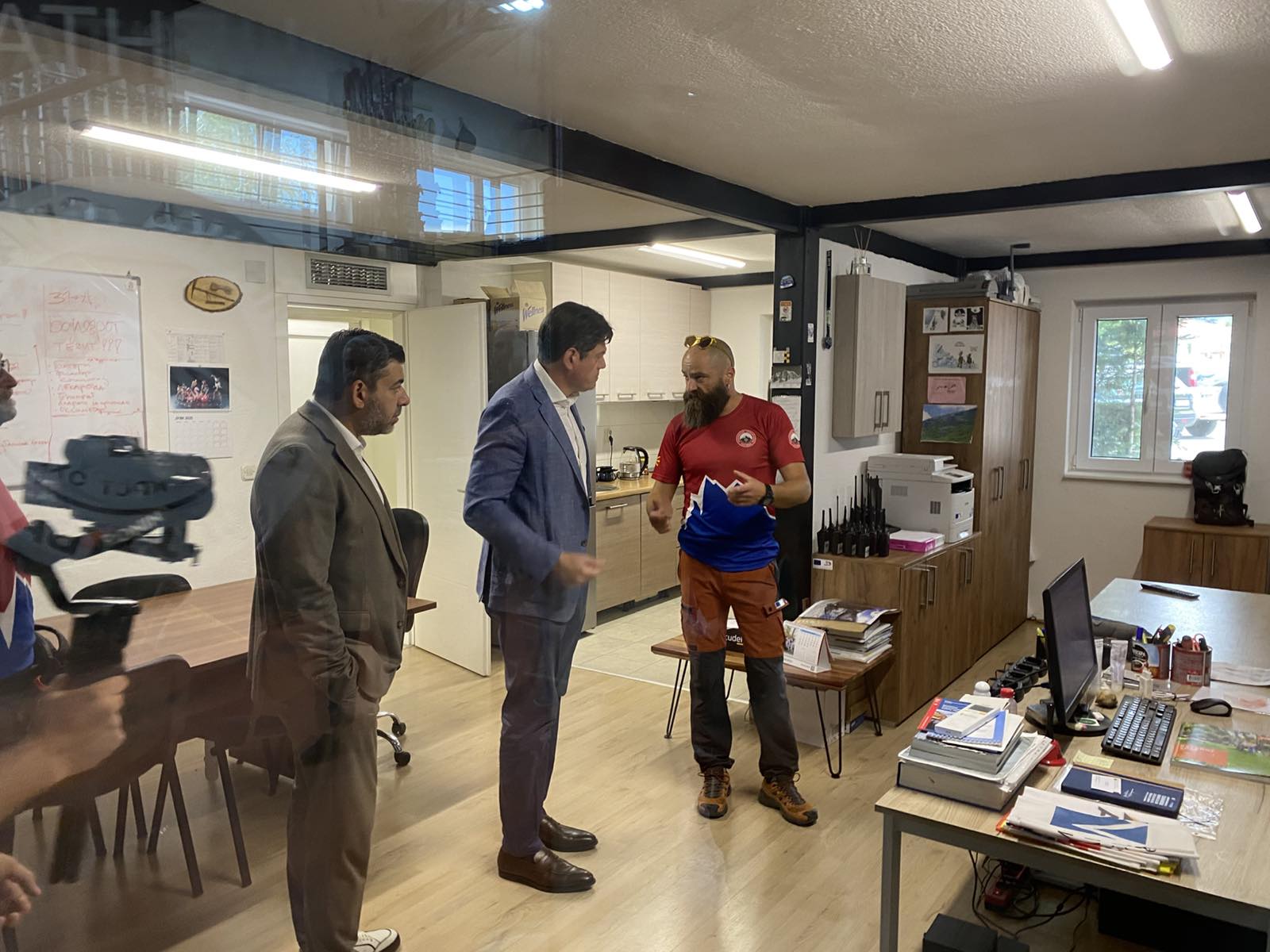
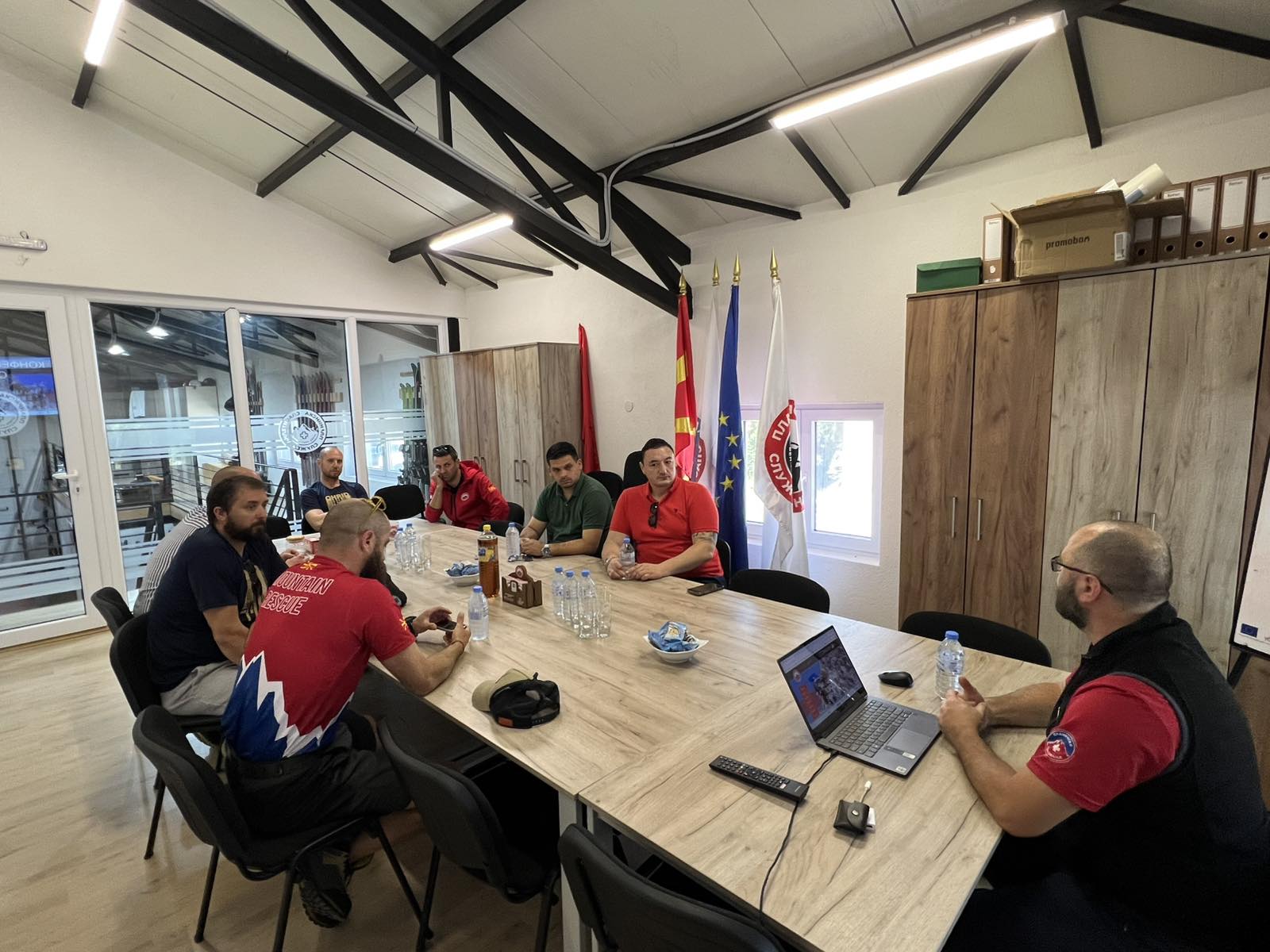
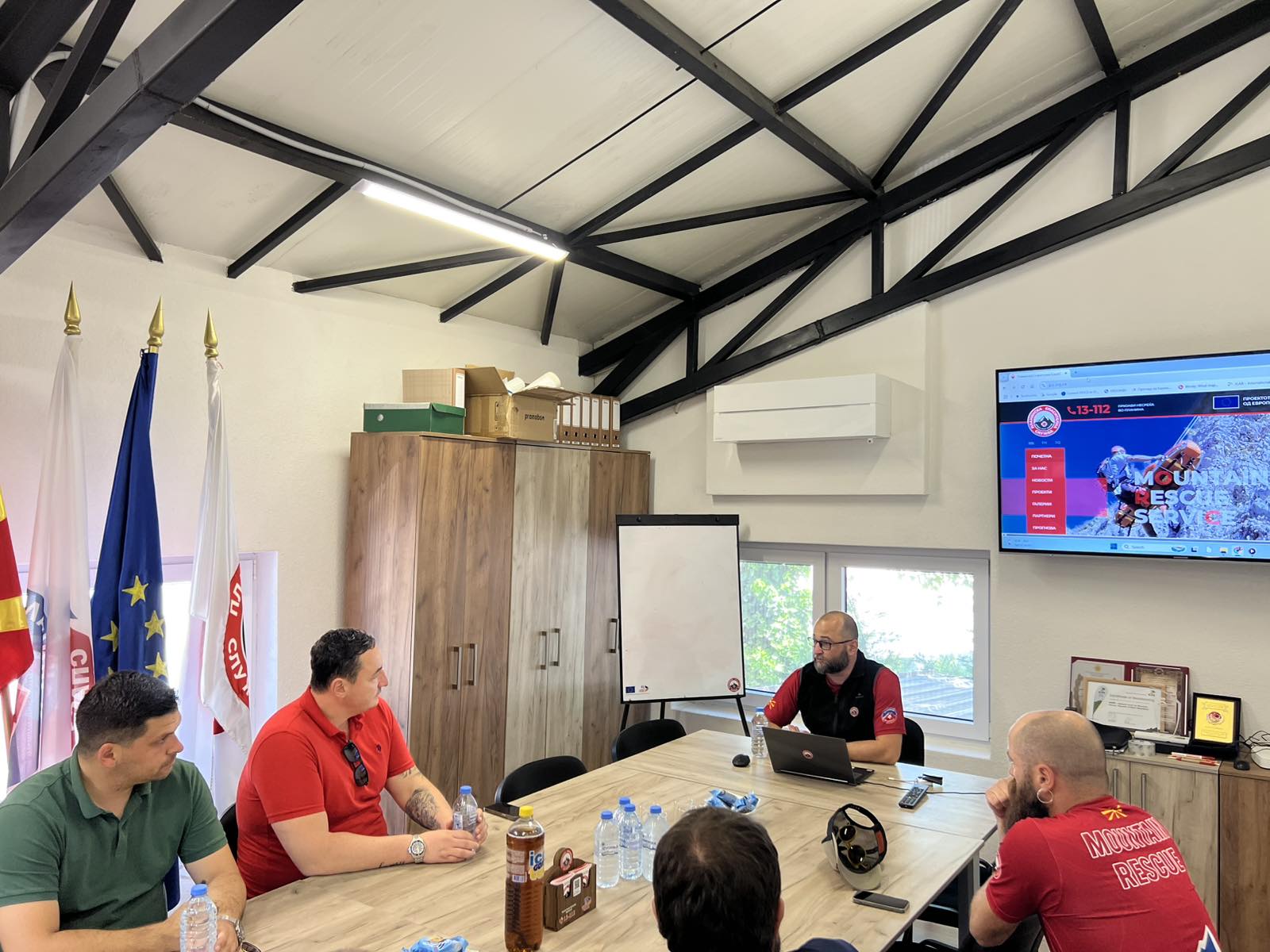
Today, at the initiative of the President of the National Union for Mountain Rescue (NUMR), Mr Antonio Dodevski, an important meeting was held at the Operational and Training Centre of the Mountain Rescue Service at the Red Cross Ohrid with His Excellency, the Ambassador of the European Union Delegation, Mr Michalis Rokas.

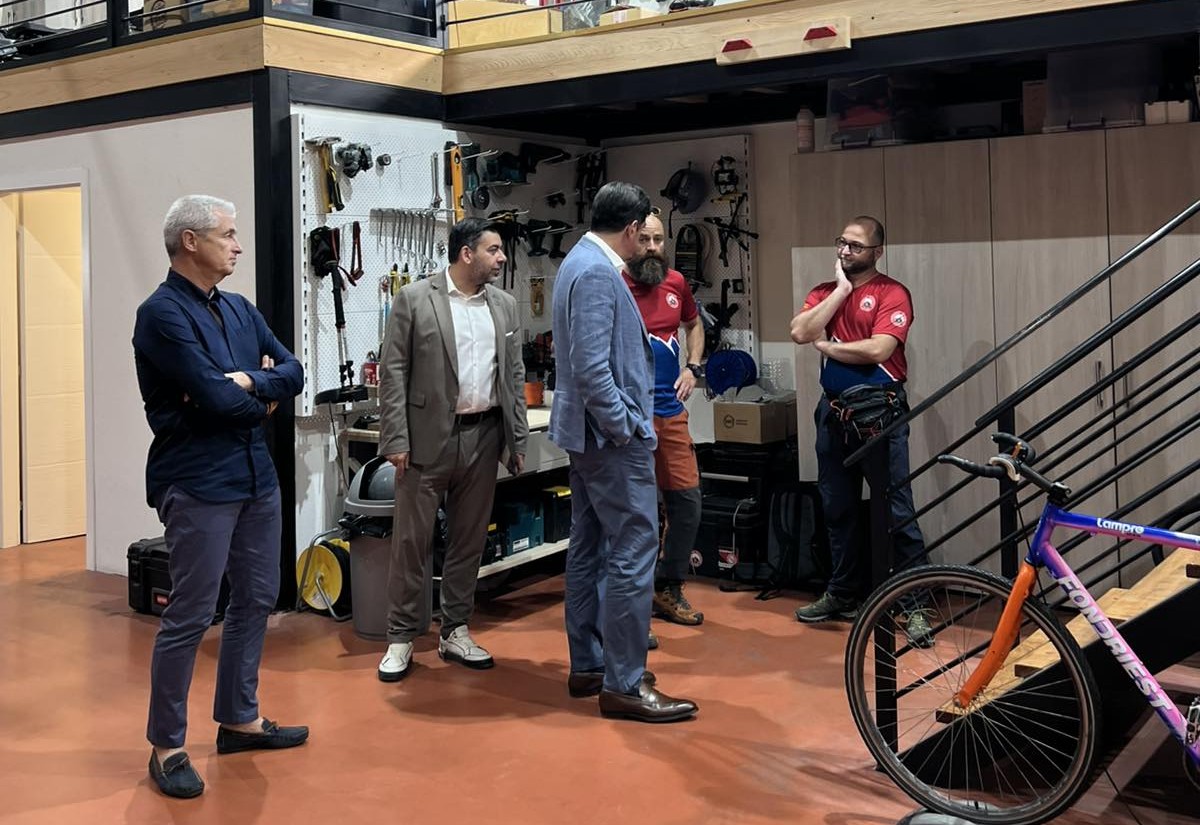
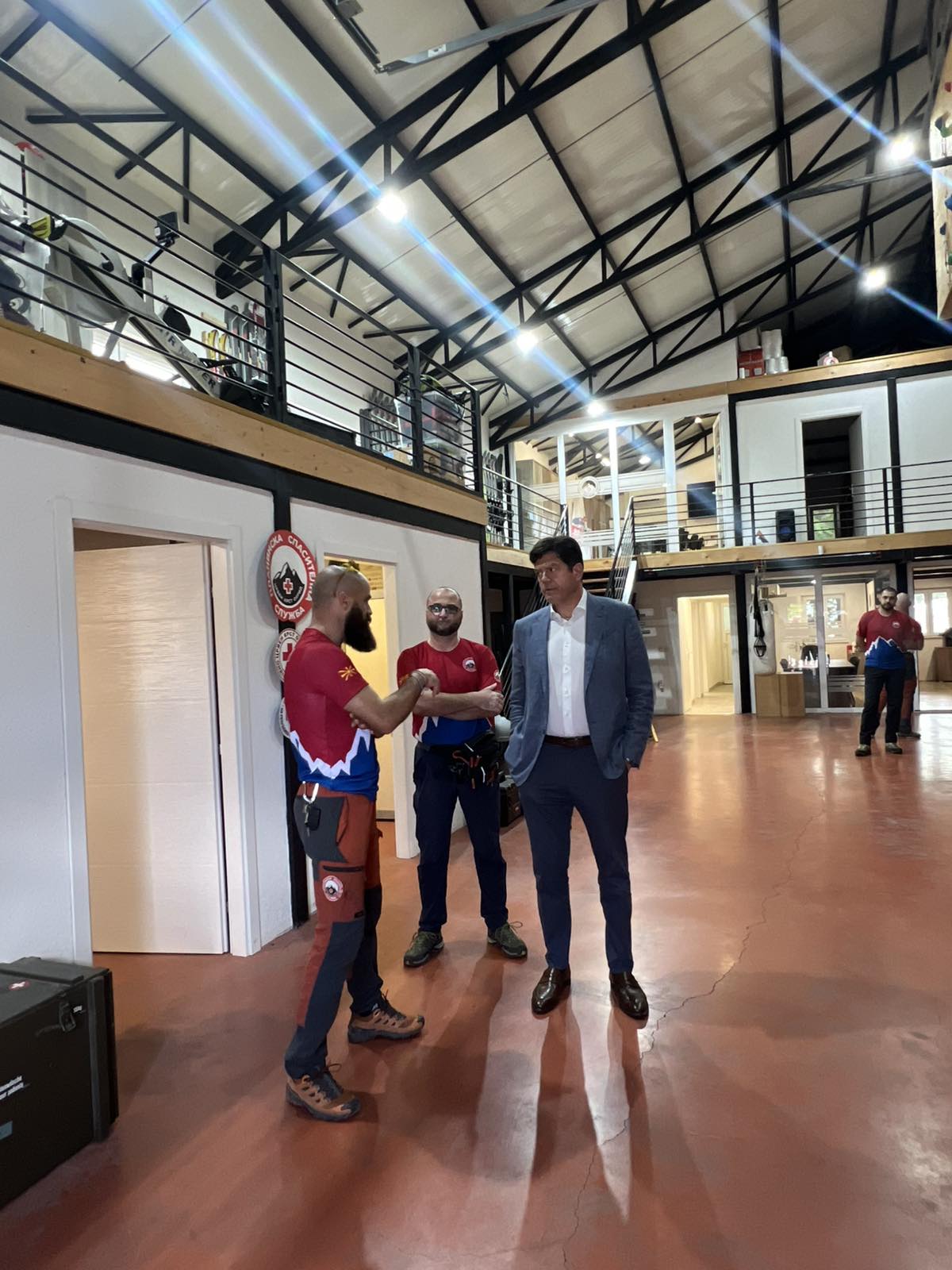
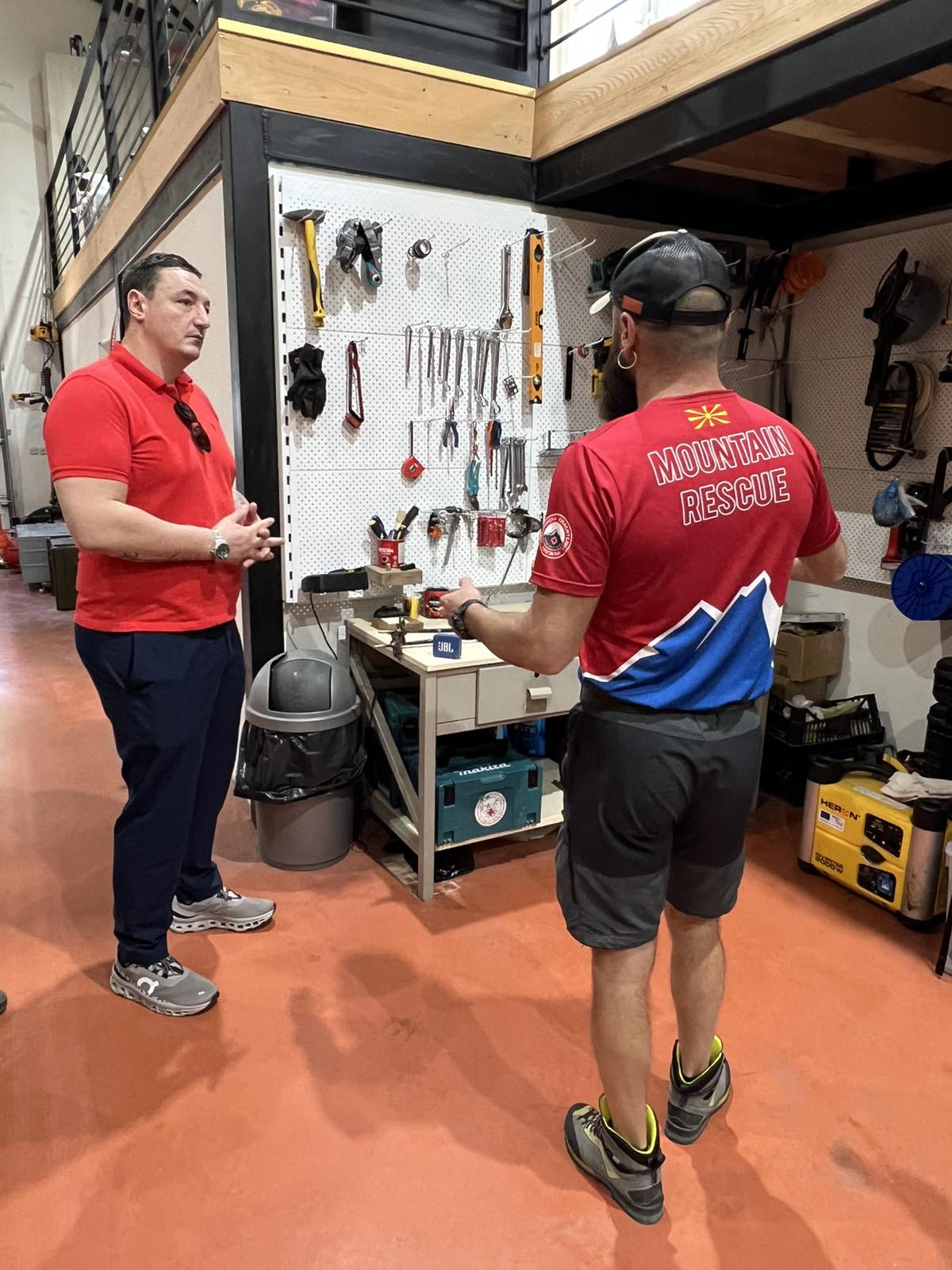
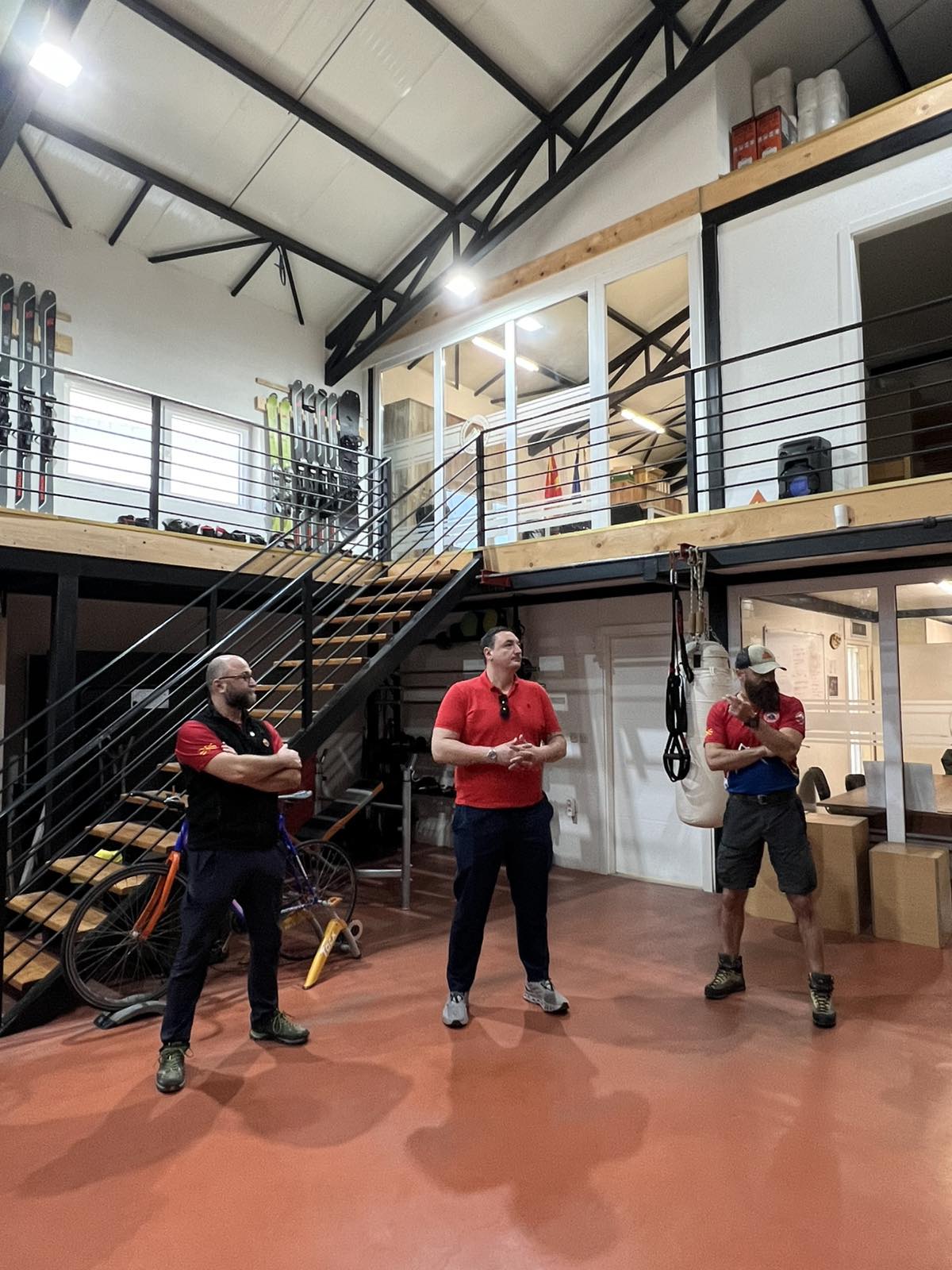
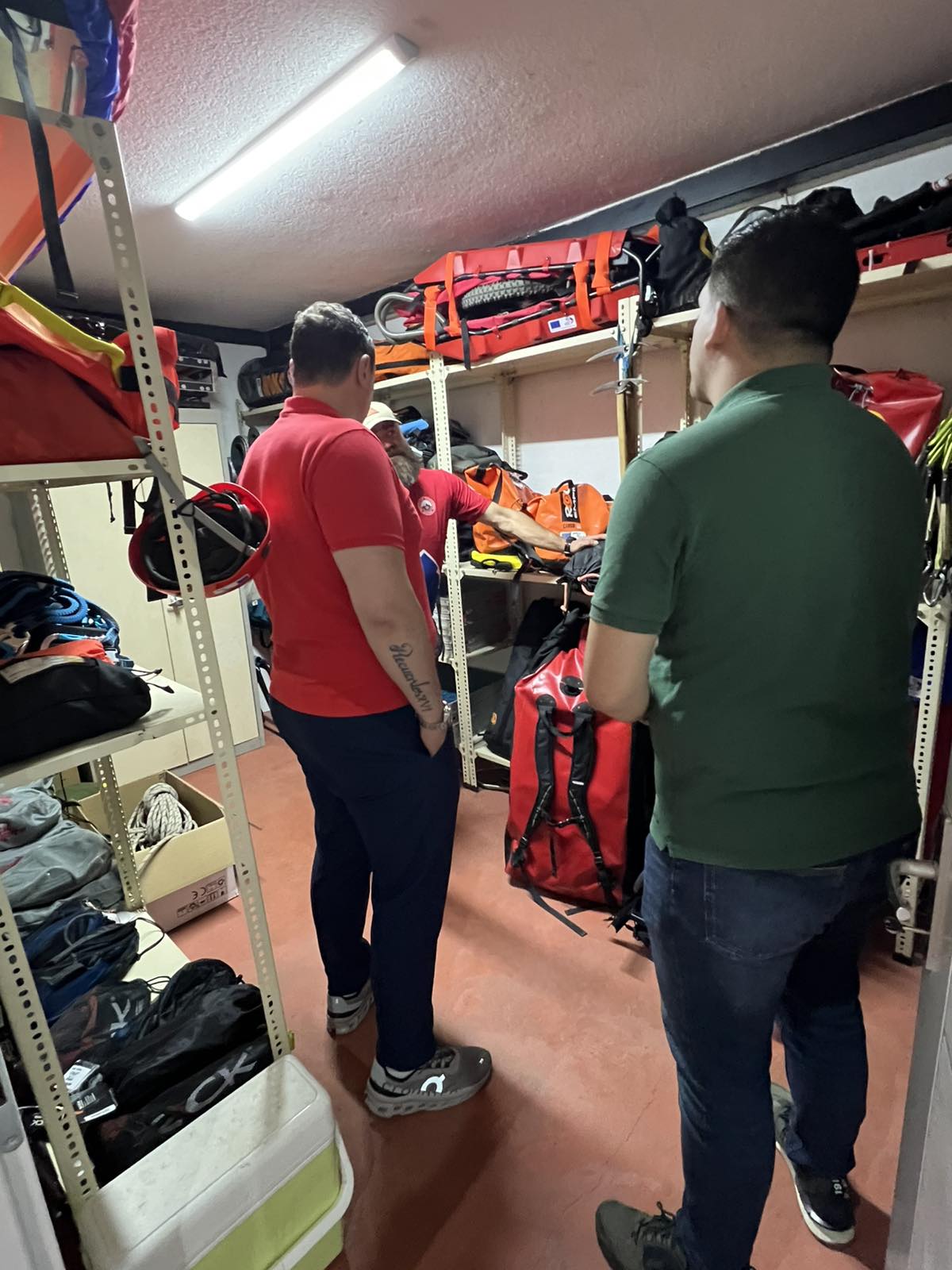
During the visit, Ambassador Rokas was introduced to the infrastructure, equipment, and human capacities of the Mountain Rescue Service in Ohrid, as well as to its role within the national system for protection and rescue in mountainous and hard-to-access areas. The Service’s ongoing and planned activities and projects were presented, with a focus on strengthening mountain rescue capacities at the national level and on building a functional and sustainable system for coordinated response.

The President of NUMR, Mr Dodevski, briefed the Ambassador on the organisational structure and the network of local rescue teams operating on a volunteer basis, as well as on the key challenges related to their formal recognition and integration into the national civil protection system.

The meeting was also attended by the President of the Red Cross Ohrid, Mr Sasho Tochkov, and the Secretary, Ms Mimoza Stavreva, who highlighted the long-standing support of the Red Cross Ohrid for the Mountain Rescue Service, which for more than two decades has represented an important pillar of safety in the Ohrid region.

Ambassador Rokas expressed his support and positive assessment of the capacities and organisational model of the Mountain Rescue Service Ohrid, emphasising that such examples of professionally trained and self-organised teams are fully aligned with European values and constitute a strong foundation for the development of an efficient and sustainable protection and rescue system.

The meeting represents an important step in strengthening cooperation between civil society initiatives and institutions, with a shared objective: safer mountains and a more effective national protection and rescue system.

Strengthening Operational Cooperation: Joint Field Exercise with the Ministry of Interior and SVR Ohrid

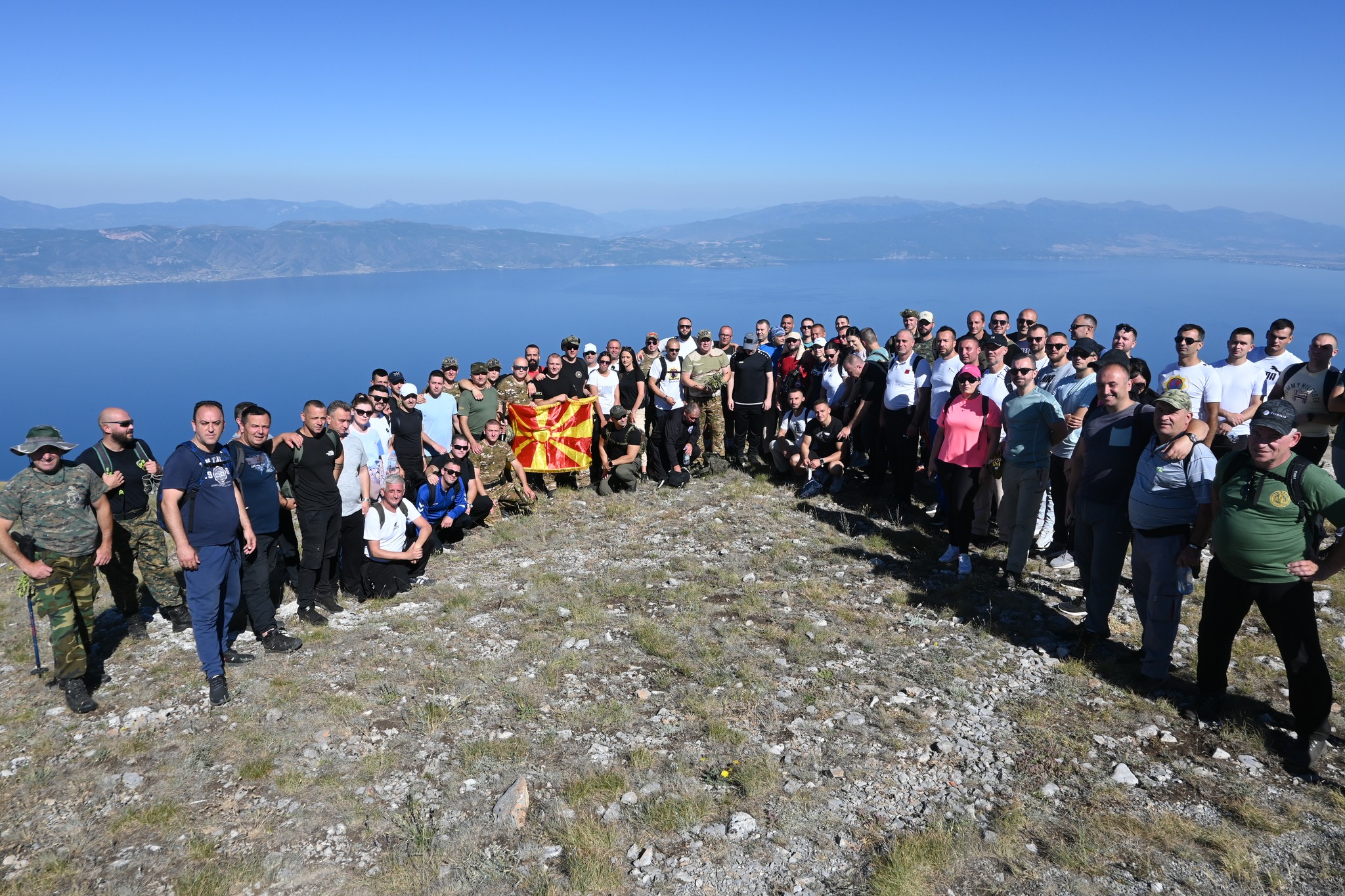
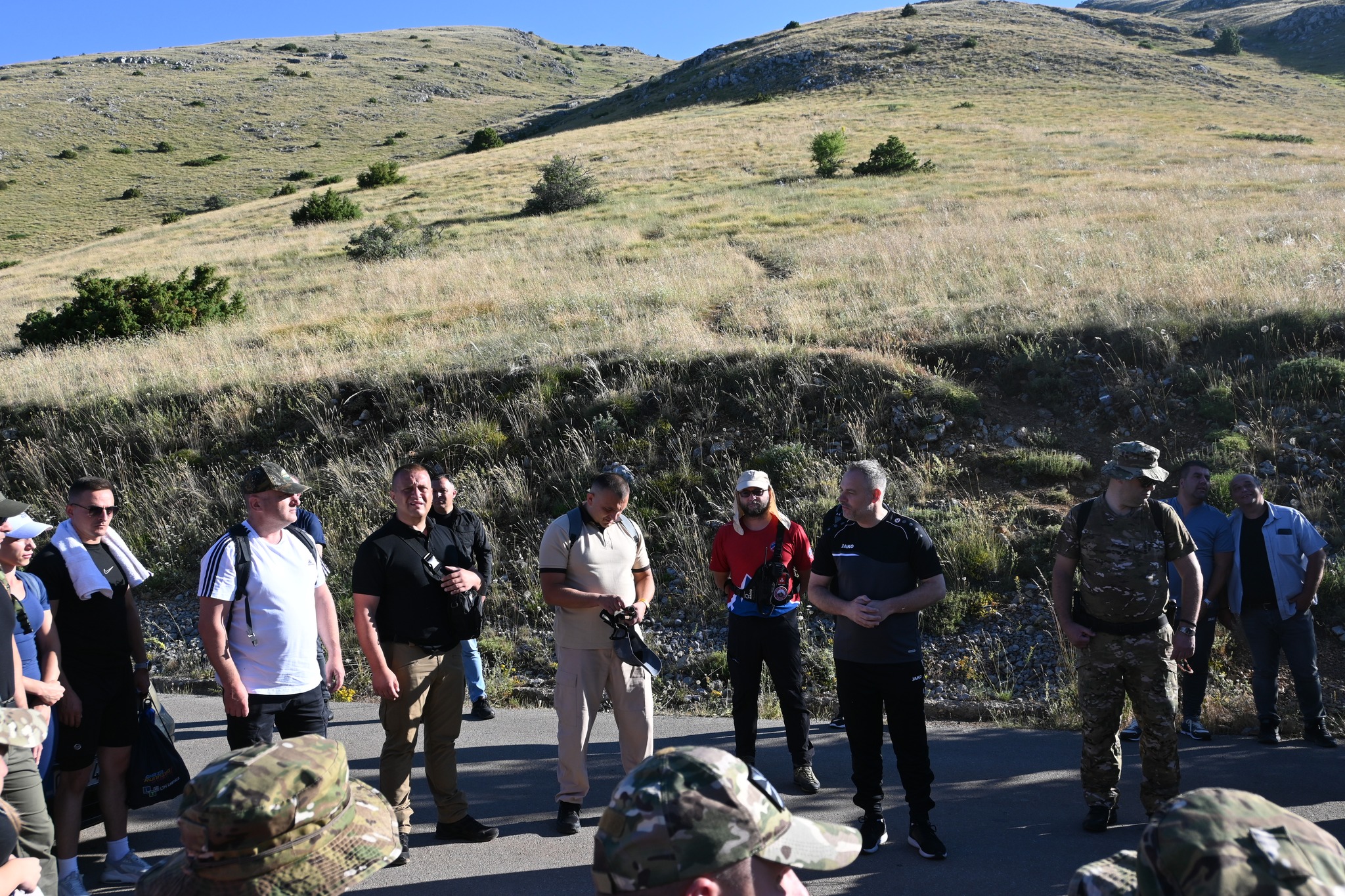
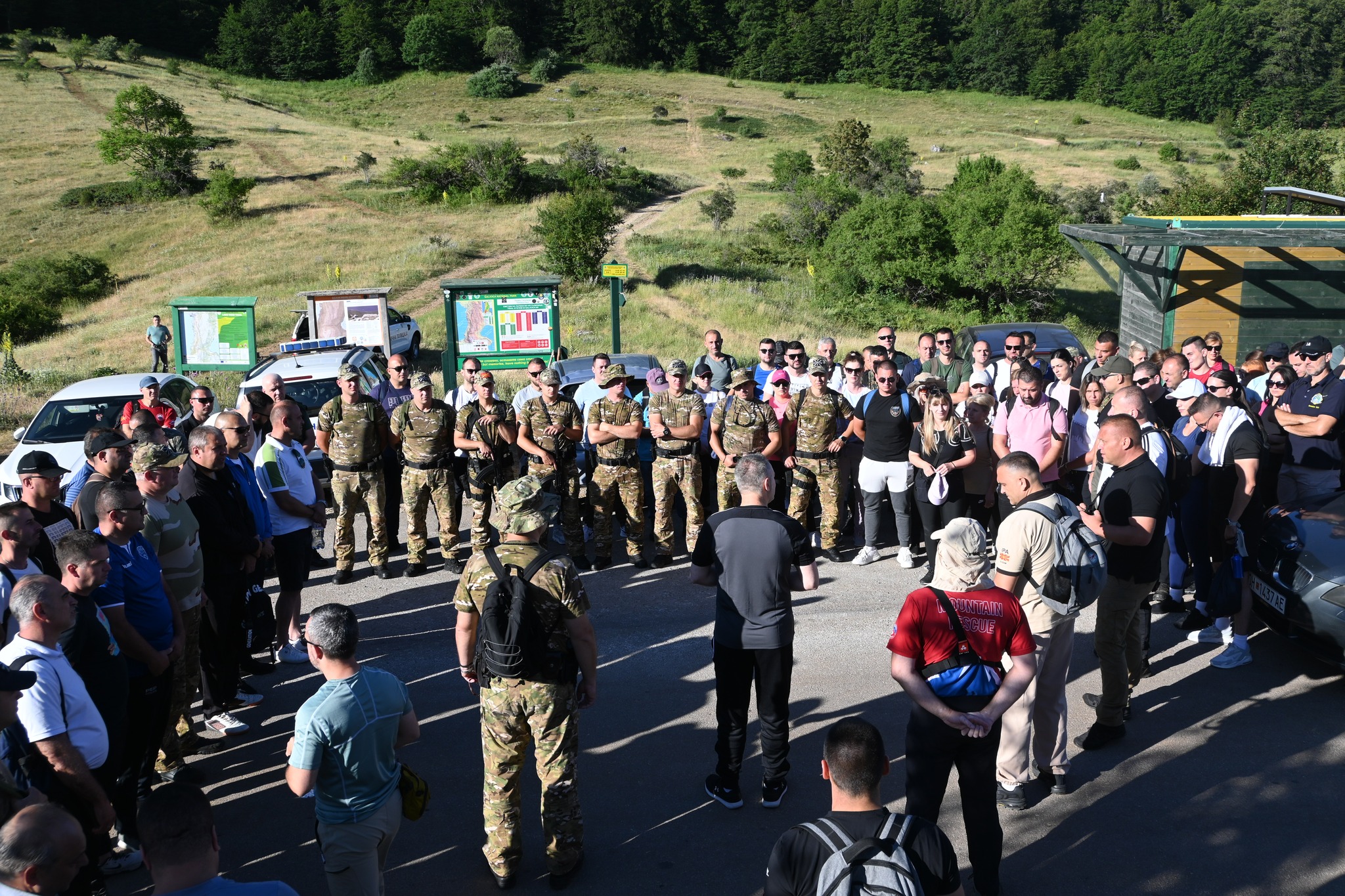
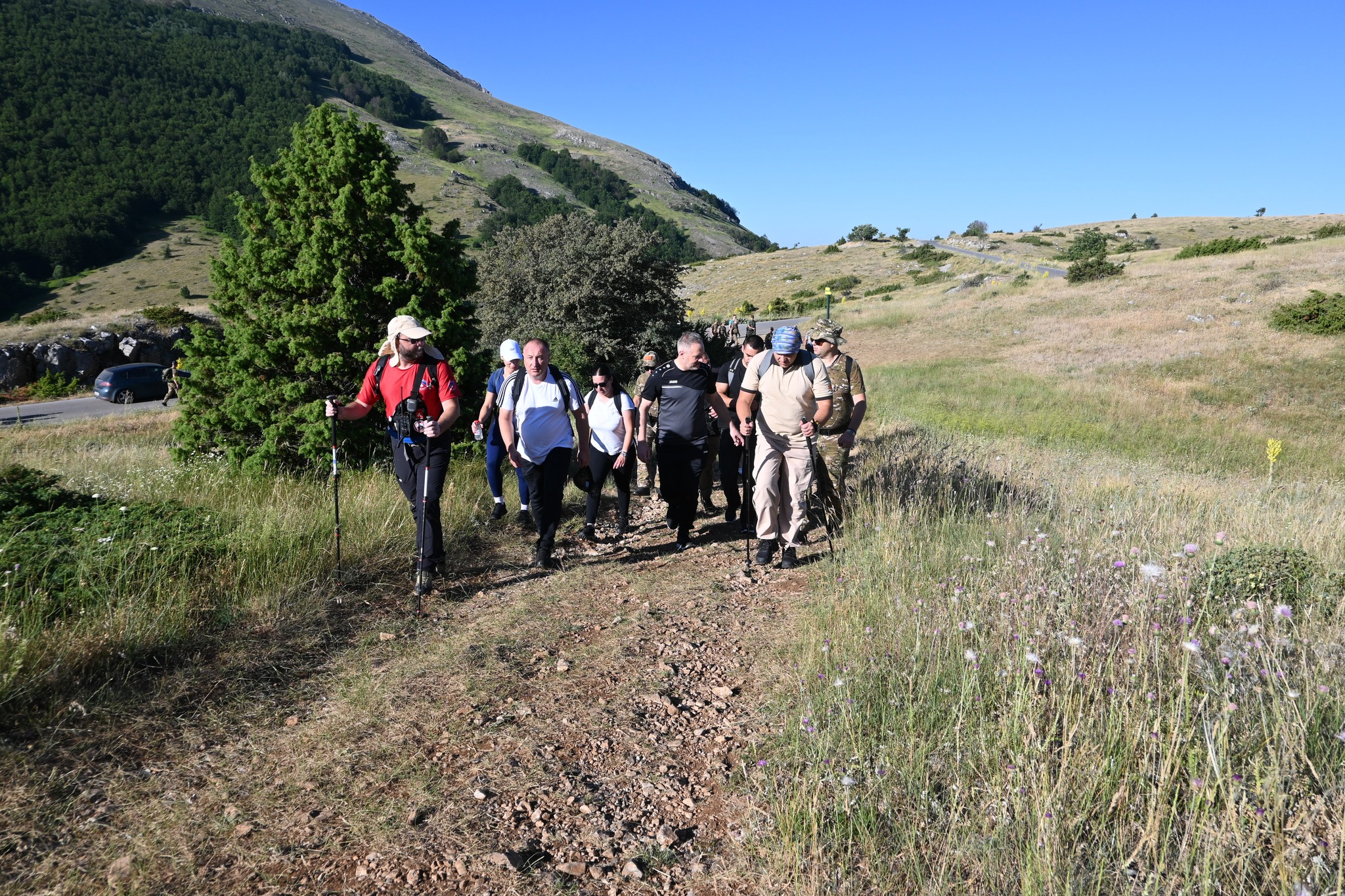
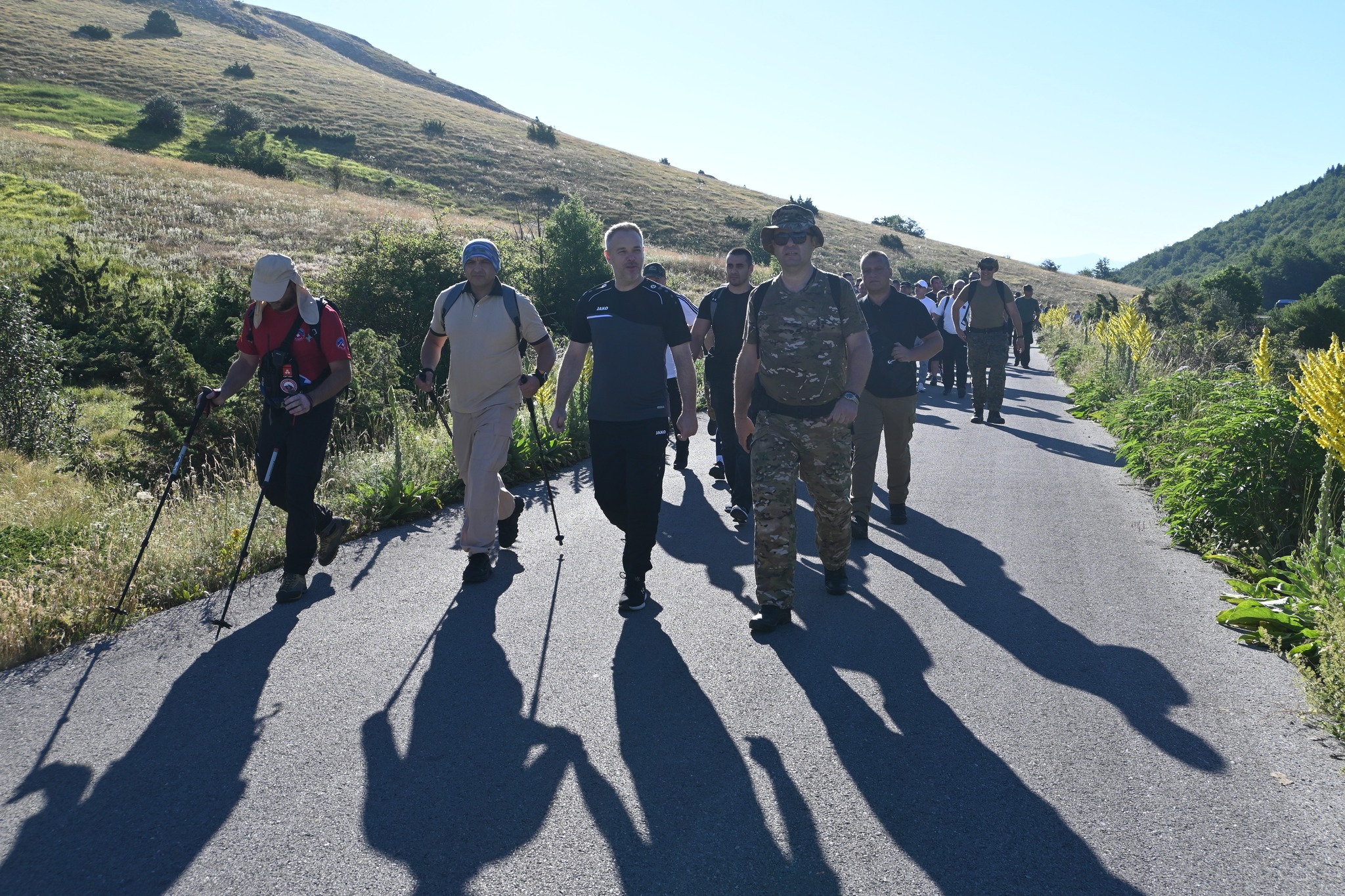
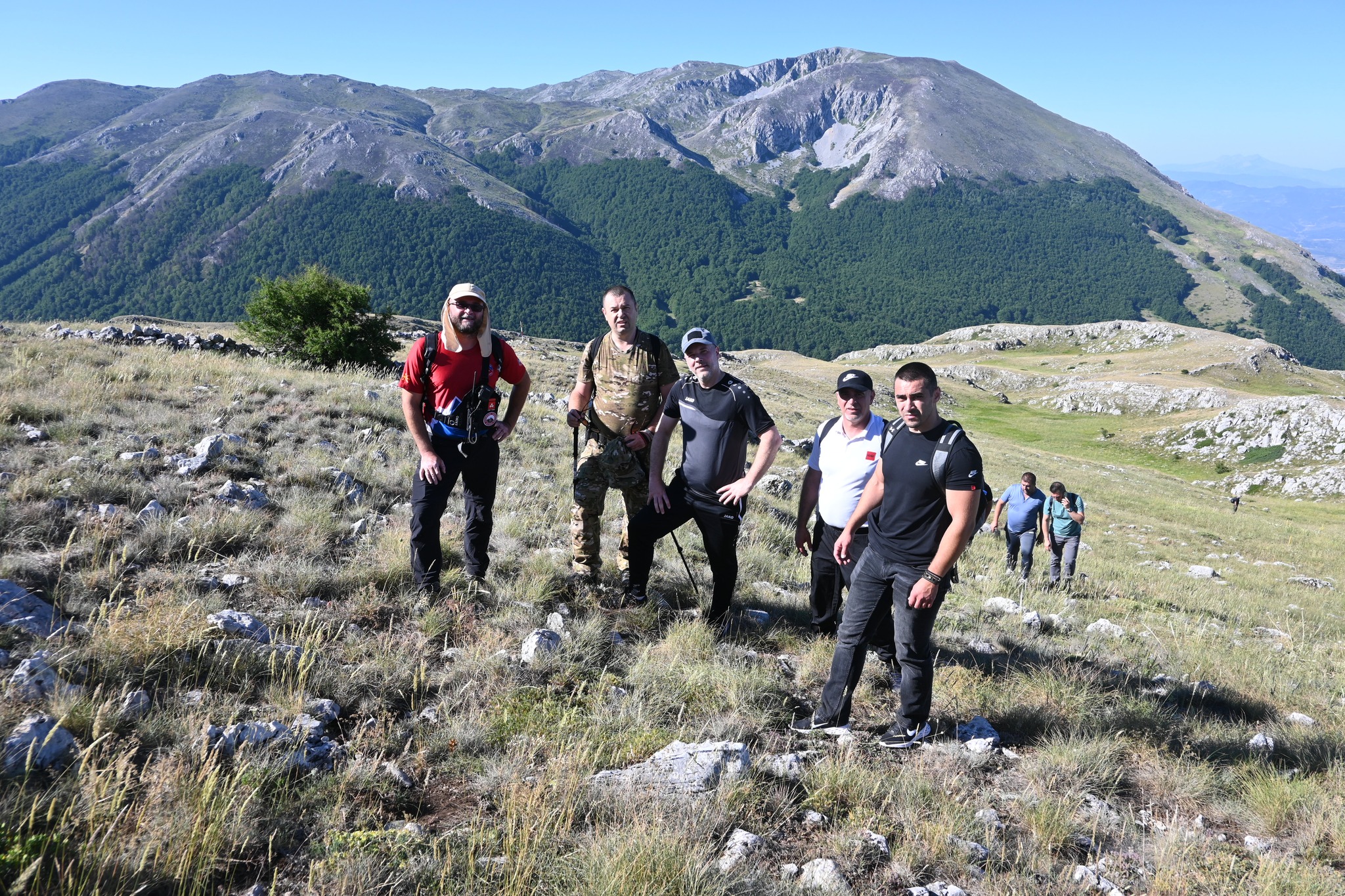
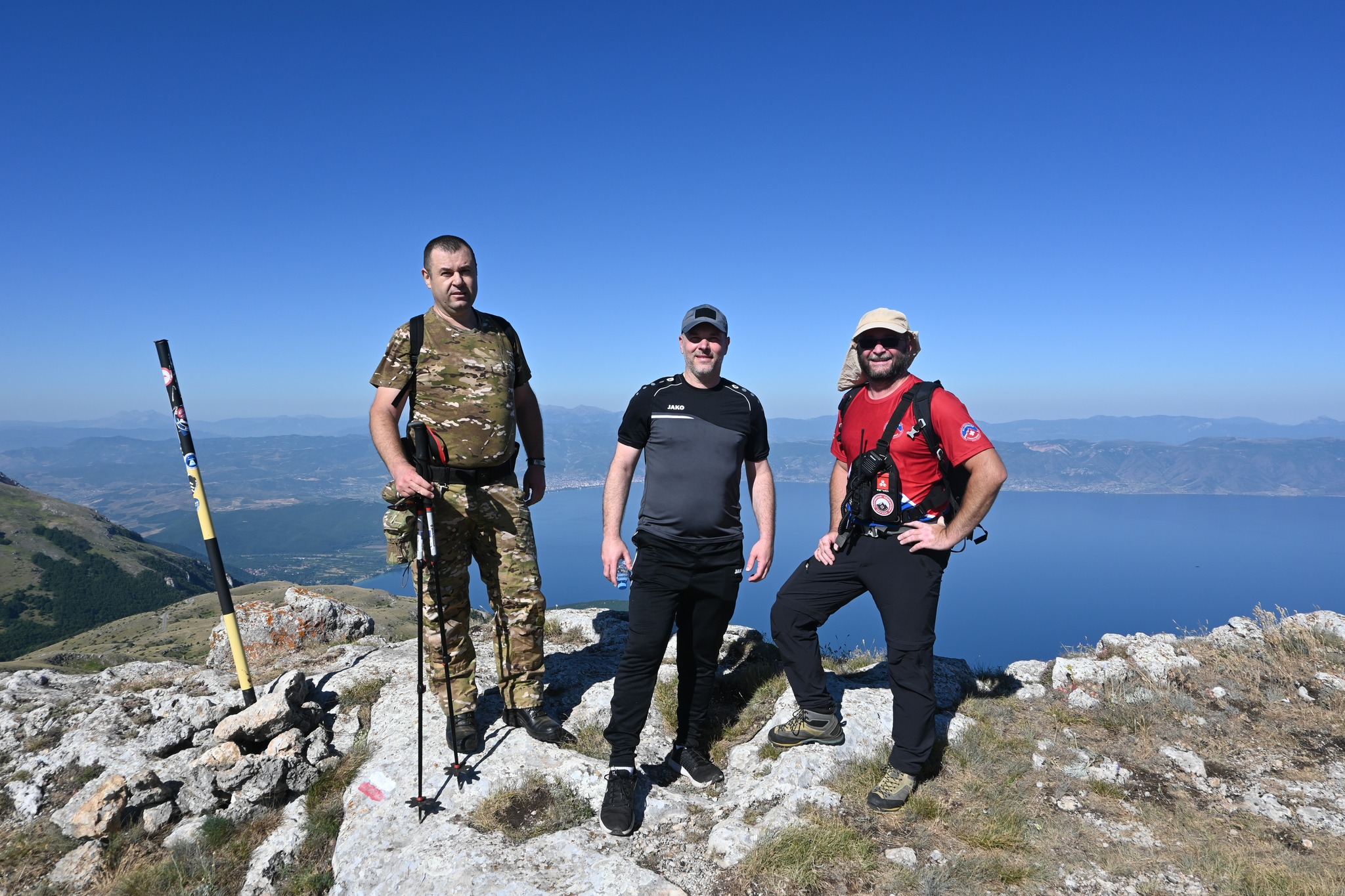
Last weekend, the Mountain Rescue Service at the Red Cross Ohrid conducted a significant joint field activity with more than one hundred police officers from SVR Ohrid, with whom it maintains ongoing cooperation during rescue interventions in mountainous and hard-to-access terrain. The activity took the form of a one-day mountain march, designed to enhance inter-agency coordination, mutual trust, and operational readiness in realistic field conditions.

The event was attended by the Head of SVR Ohrid, Mr Igor Smilevski, the senior leadership of SVR Ohrid, and the Director of the Bureau of Public Security within the Ministry of Interior, Mr Aleksandar Janev. As part of the visit, the Director of the Bureau had, on the preceding day, toured the Operational and Training Centre of the Mountain Rescue Service in Ohrid, as well as the rescue station located at the “Spiridon” Mountain Lodge on Mount Galičica.

The visit enabled a direct overview of the infrastructure, equipment, and organisational framework of the rescue teams which, despite operating on a voluntary basis, play a vital role within the broader system of rescue response and preventive action in mountainous and remote areas.

During the activity, the President of the National Union for Mountain Rescue, Mr Antonio Dodevski, presented the structure, mandate, and operational capacities of NUMR. Particular emphasis was placed on the need to further strengthen institutional coordination, expand joint training initiatives, and develop standardised operational protocols for interventions in complex terrain.

This joint activity represents an important step towards improving interoperability, efficiency, and preparedness in rescue operations, with a shared strategic objective: enhancing the safety and protection of citizens and visitors in mountainous and rural areas.

Timely Response by the Mountain Rescue Service: Paraglider Safely Evacuated on Galičica

Yesterday, at approximately 16:30, the Operational Center of the Mountain Rescue Service (MRS) at the Red Cross Ohrid received a request for assistance from an employee of Galičica National Park. At the “Derven” checkpoint, a citizen of the Republic of Türkiye reported that his friend — a paraglider pilot — had made a forced landing in the vicinity of Magaro Peak and required evacuation.

Following immediate coordination and verification of the exact location, the pilot was successfully located on steep, rocky, and hard-to-access terrain on the western slopes of Mount Galičica. According to the information obtained, the incident occurred around 16:00, when the pilot, for reasons still unknown, lost full control of the paraglider wing and was compelled to deploy the reserve parachute. Fortunately, he sustained no physical injuries during the landing.

From the moment the alert was received, an MRS operator maintained continuous telephone contact with the paraglider pilot to monitor his condition and provide guidance and reassurance. Simultaneously, a rescuer stationed at the “Spiridon” Mountain Hut was immediately dispatched to the location, while an additional team of five rescuers remained on standby in Ohrid, fully prepared to intervene should the situation deteriorate.

At approximately 18:00, the rescuer safely reached the pilot, provided food and water, and escorted him safely to the “Spiridon” Mountain Hut, successfully concluding the operation without the need for further technical evacuation.

Considering the exceptionally demanding terrain, the operational circumstances, and the positive outcome without injuries, this intervention once again highlights the importance of rapid response, effective field coordination, and continuous readiness of the Mountain Rescue Service.

The Mountain Rescue Service extends its sincere appreciation to all individuals involved in the operation and wishes the pilot safe and successful flights in the future.

Emergency Response on Mount Jablanica – Air Support Mobilised

This morning, the Operational Centre of the Mountain Rescue Service (MRS) at the Red Cross Ohrid was alerted to an emergency on Mount Jablanica, where a female hiker from Struga sustained a serious ankle injury.

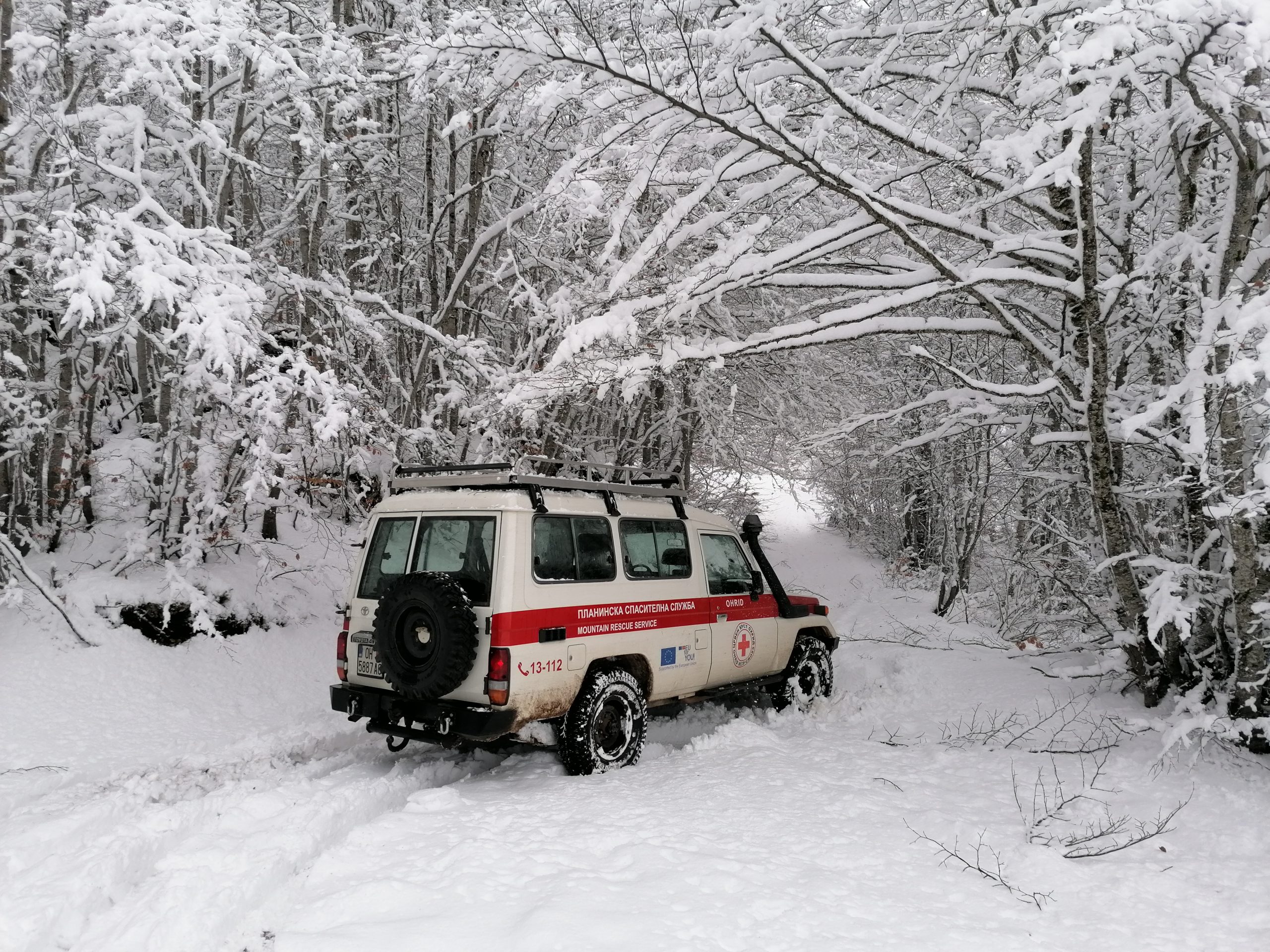
Given the challenging terrain and the considerable distance from the nearest accessible road, the Mountain Rescue Service formally requested air support through the Crisis Management Centre. Simultaneously, as a precautionary and readiness measure, a field team of six MRS rescuers was activated and dispatched towards the mountain by off-road vehicle, prepared to continue on foot and reach the injured person should helicopter access prove unfeasible.

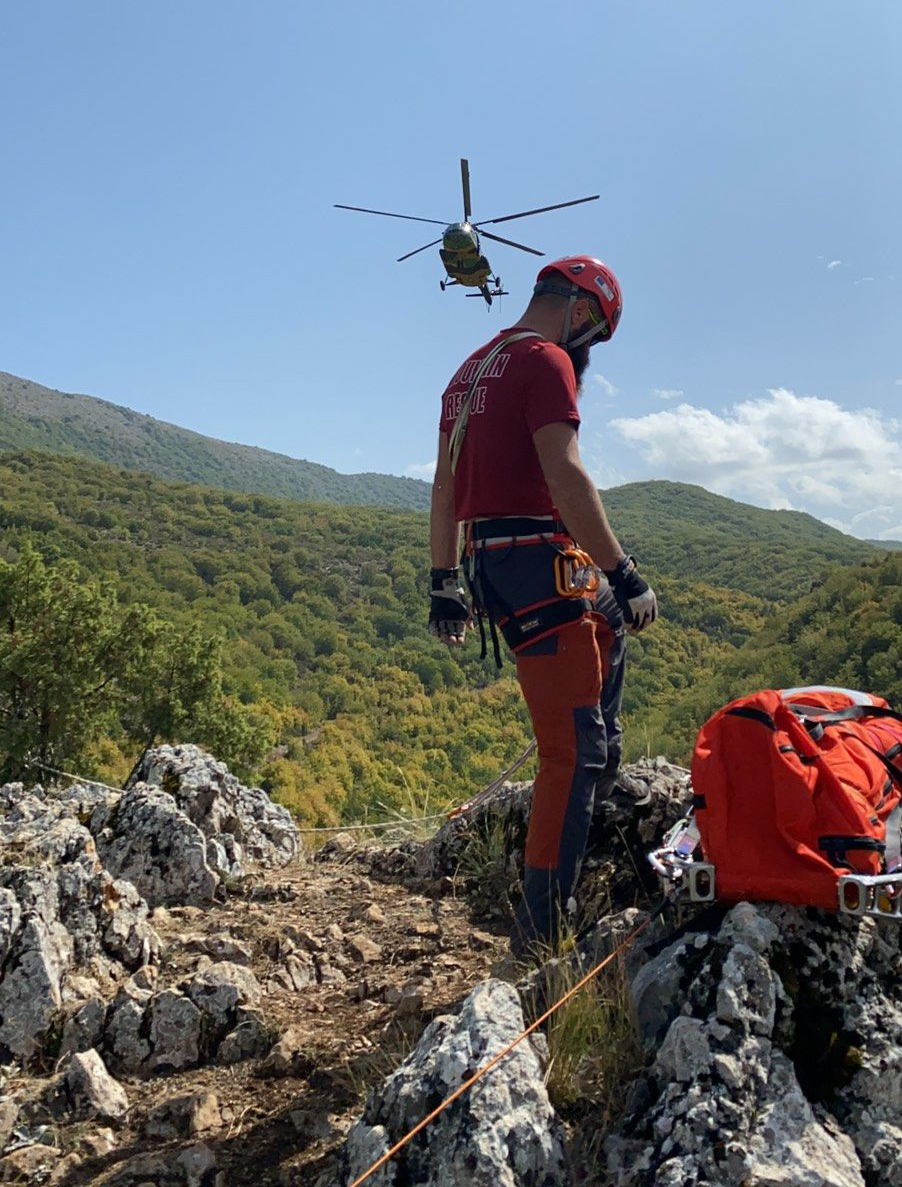
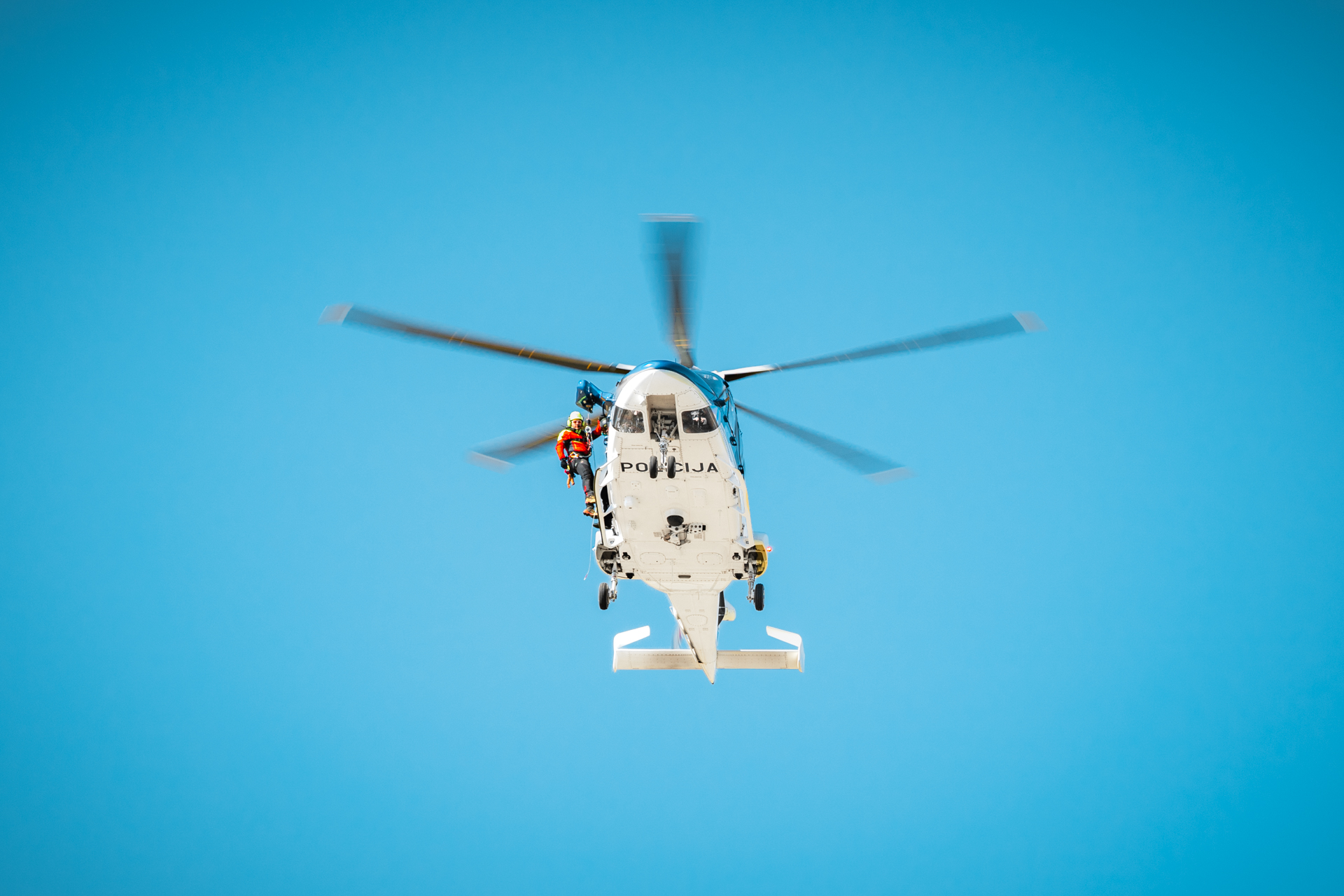
Fortunately, during the morning hours, a Ministry of Interior helicopter was engaged and, in coordination with members of the Special Anti-Terrorist Unit, is en route to the incident location to conduct the evacuation.

In light of the secured air assistance and to ensure optimal operational coordination and safety, the Mountain Rescue Service’s ground team is standing down from further field deployment while remaining on alert for any additional support if required.

Minister of Sports Borko Ristovski Pays an Official Visit to the Mountaineering Club PATAGONIA – Ohrid and the MRS Training Centre

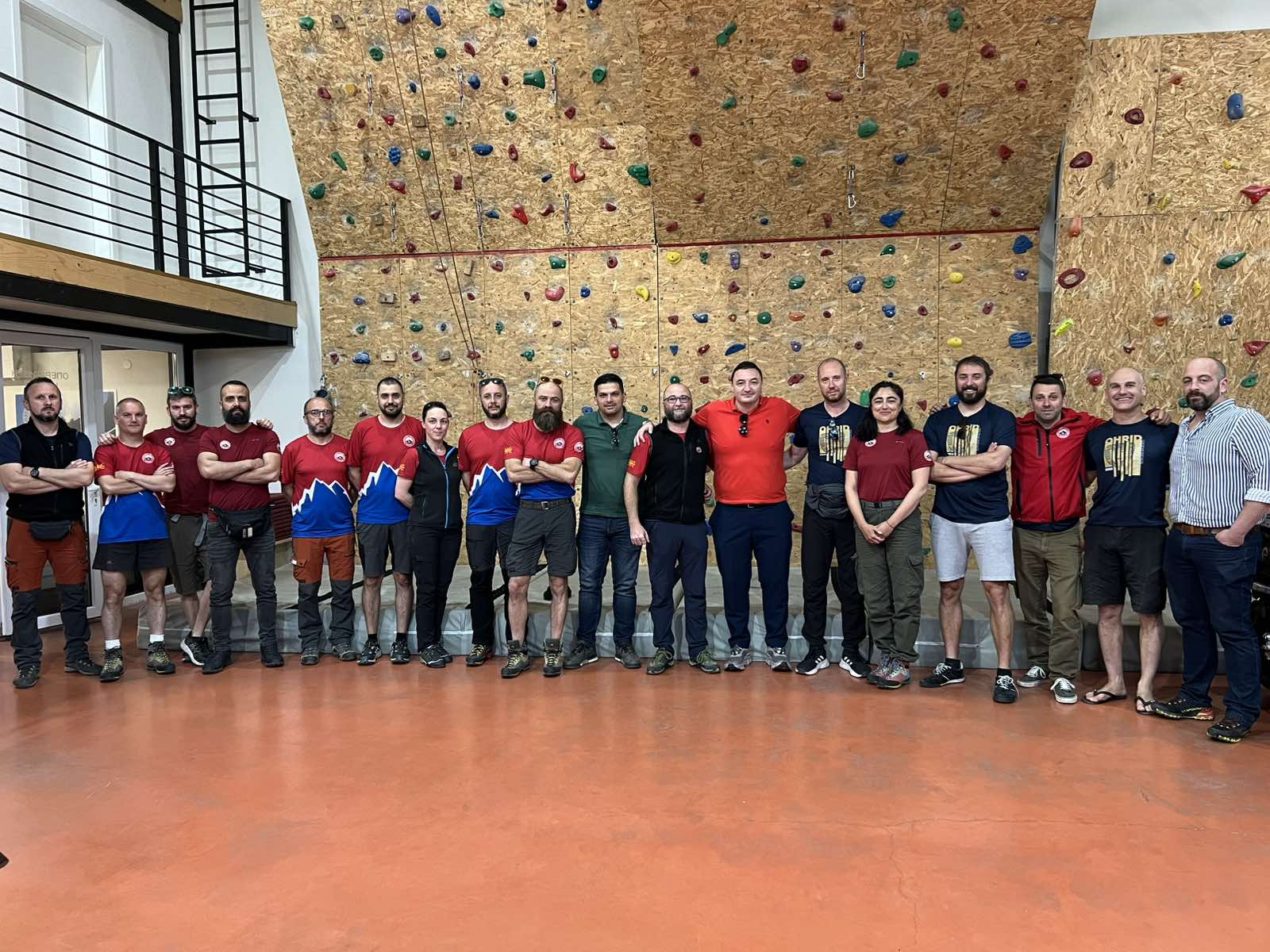
Following last week’s official meeting with the leadership of the Macedonian Alpine climbing Federation in Skopje, the Minister of Sports, Mr. Borko Ristovski, paid a working visit to Ohrid, where he toured the Alpine Club PATAGONIA and the Training Centre of the Ohrid Red Cross Mountain Rescue Service. The centre also serves as the headquarters of the National Union for Mountain Rescue (NUMR), serving as a national hub for the education, training, and professional development of rescuers from across the country.

The visit was attended by the Mayor of the Municipality of Ohrid, Mr. Kiril Pecakov, a long-standing supporter of alpine climbing in the region and of the humanitarian mission carried out by alpinists through the Mountain Rescue Service.

During the visit, club members and MRS volunteers presented the centre’s operational infrastructure, specialised rescue equipment, and vehicle fleet, highlighting the critical role of sustained institutional and municipal support in maintaining a high level of operational readiness, as well as in fostering the development of alpine climbing as both a sport and a public service.

The President of the club, Antonio Dodevski — also President of the National Union for Mountain Rescue and a Board Member of the Macedonian Alpine Federation — emphasised the dual value of alpine climbing as a sport and as a field with significant societal impact. In addition to its sporting dimension, alpine climbing contributes directly to the safety and protection of visitors in mountainous areas and supports the sustainable development of adventure tourism.

He further noted that, through the continuous engagement of alpinists within the Macedonian Alpine climbingFederation, and through more than two decades of systematic training and field operations, national standards for mountain guides and rescuers have been successfully established. These standards are now internationally recognised through membership in UIMLA and ICAR, providing a solid framework for safe movement in mountainous terrain and for rapid, coordinated, and efficient rescue interventions in complex environments.

Minister Ristovski expressed his satisfaction with the achievements and ongoing activities of the clubs and the Mountain Rescue Service, underlining the importance of strengthening institutional support for alpine climbing and for socially beneficial initiatives in which alpinists actively participate on a voluntary basis.

On behalf of the Macedonian AlpineFederation, the affiliated clubs, and the wider alpine climbing and rescue community, sincere appreciation is extended to Minister Ristovski for his visit, constructive dialogue, and continued support for the advancement of alpine climbing and mountain safety in North Macedonia.

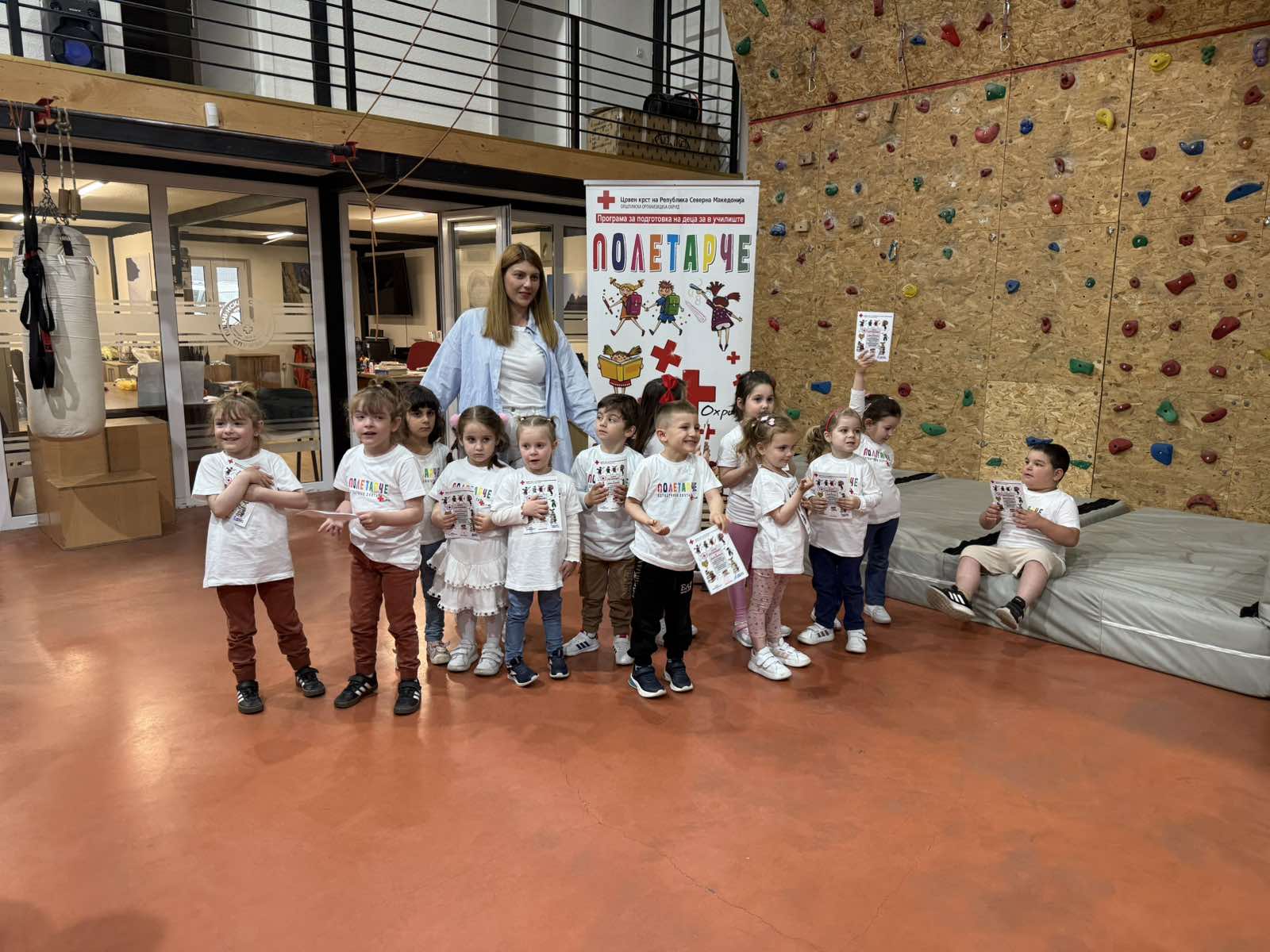
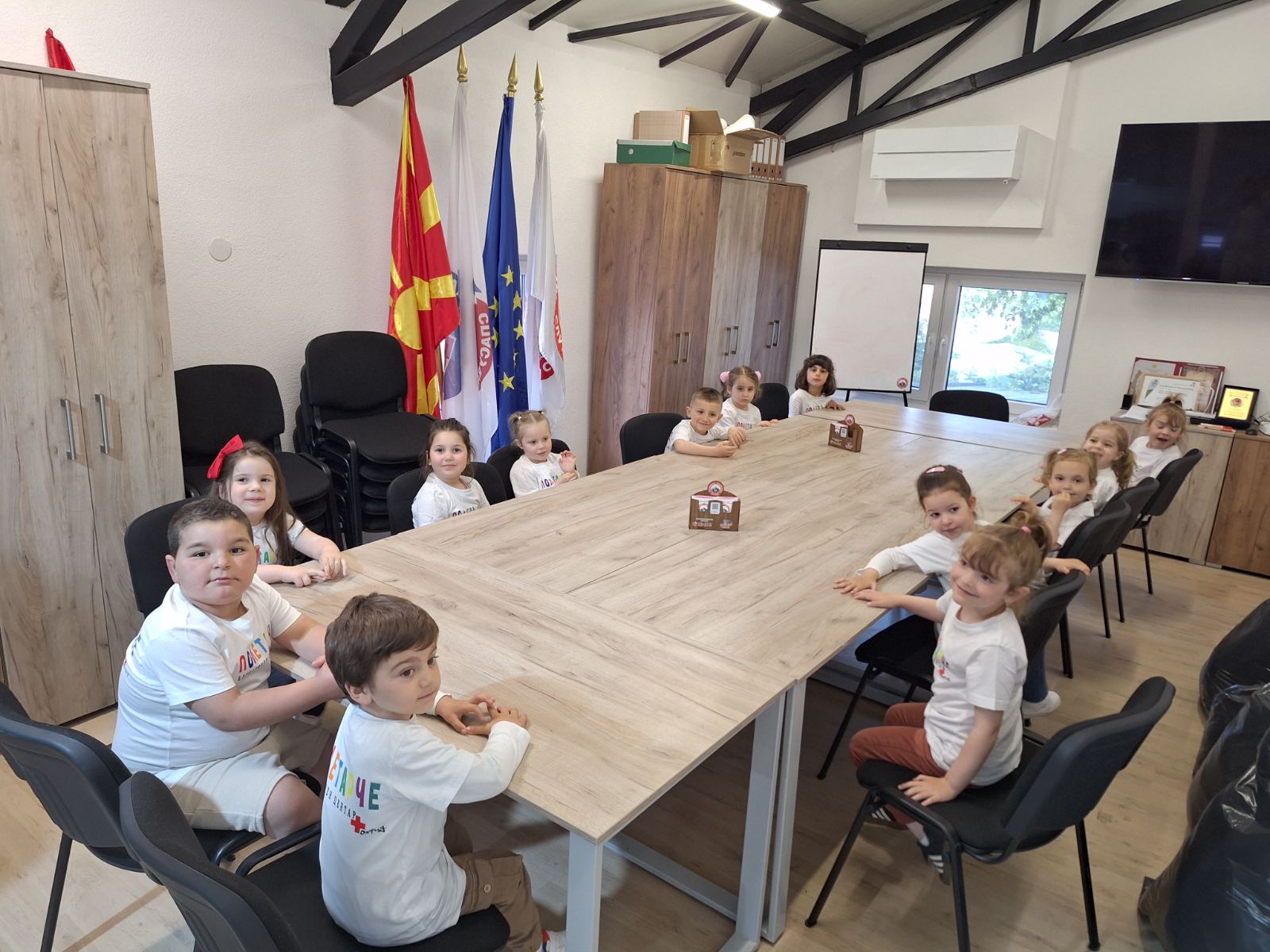
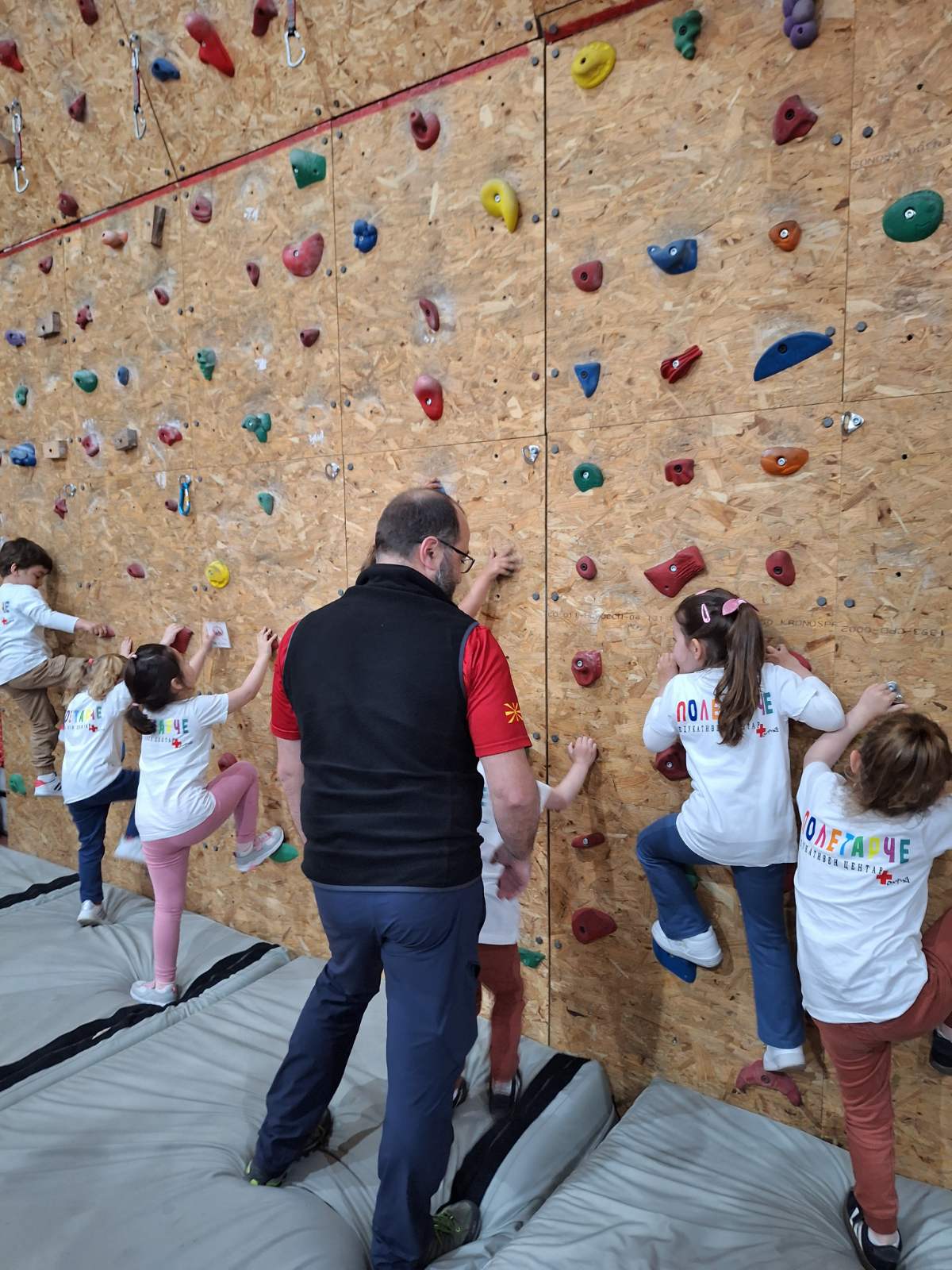
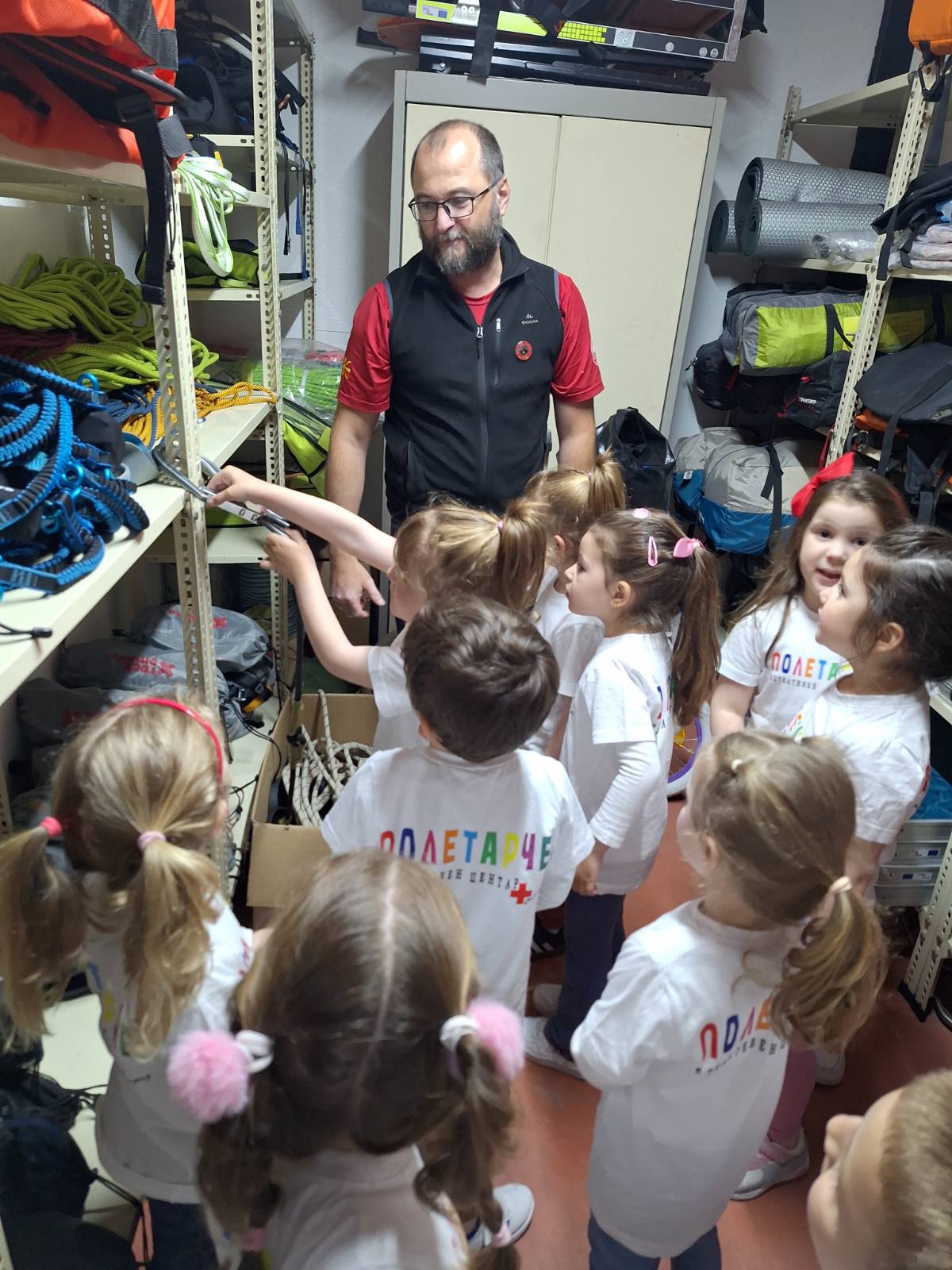
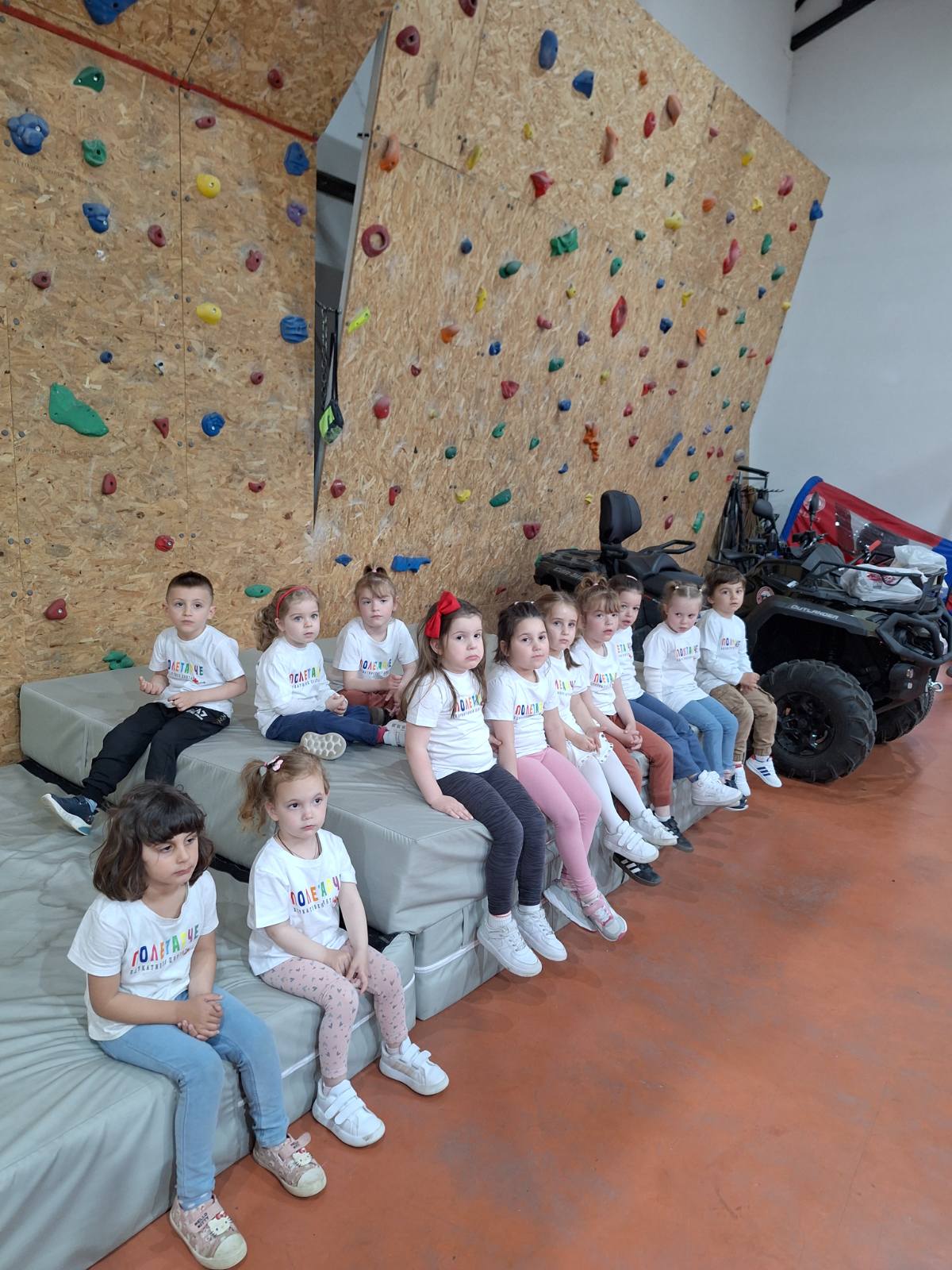
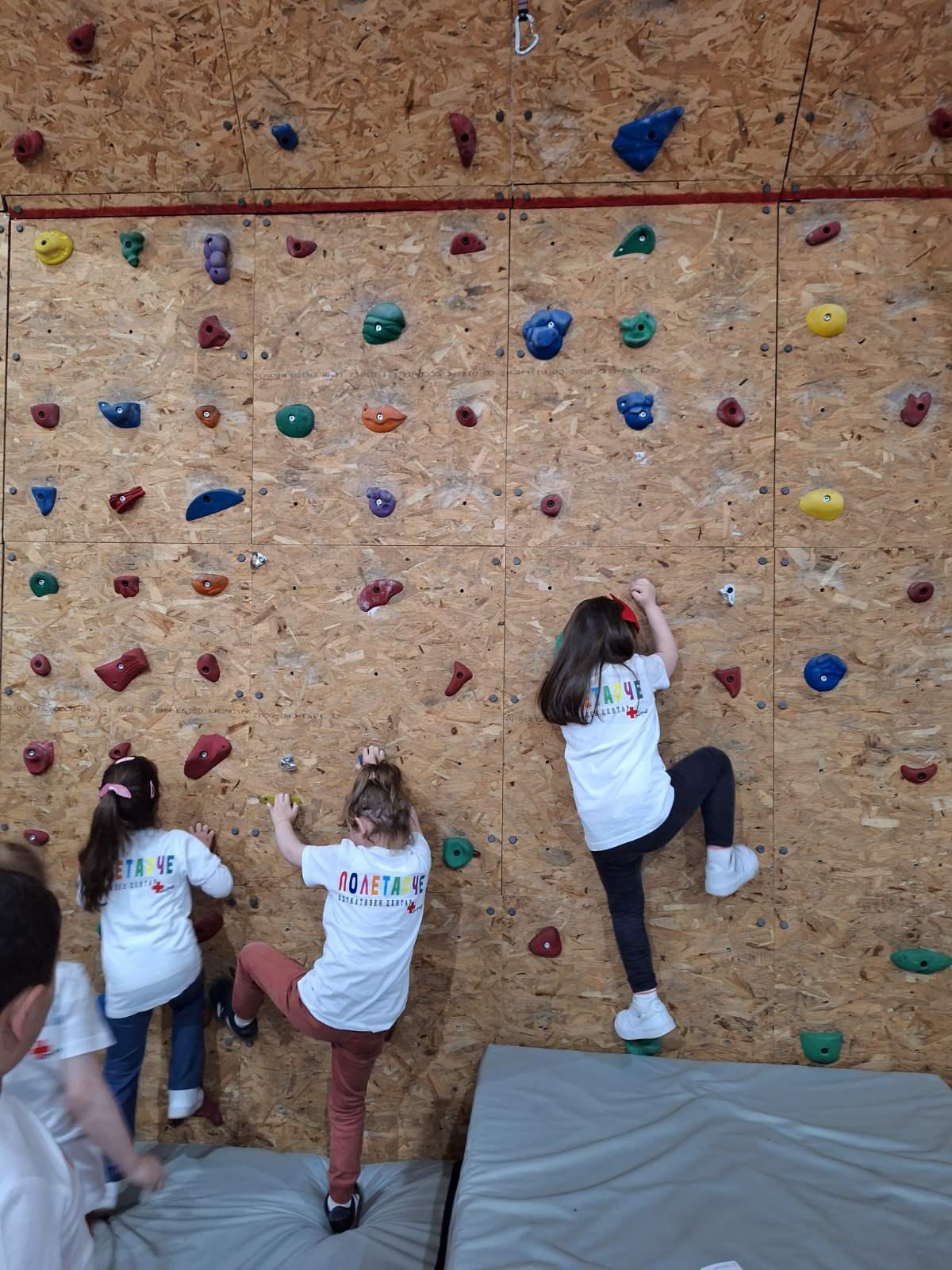
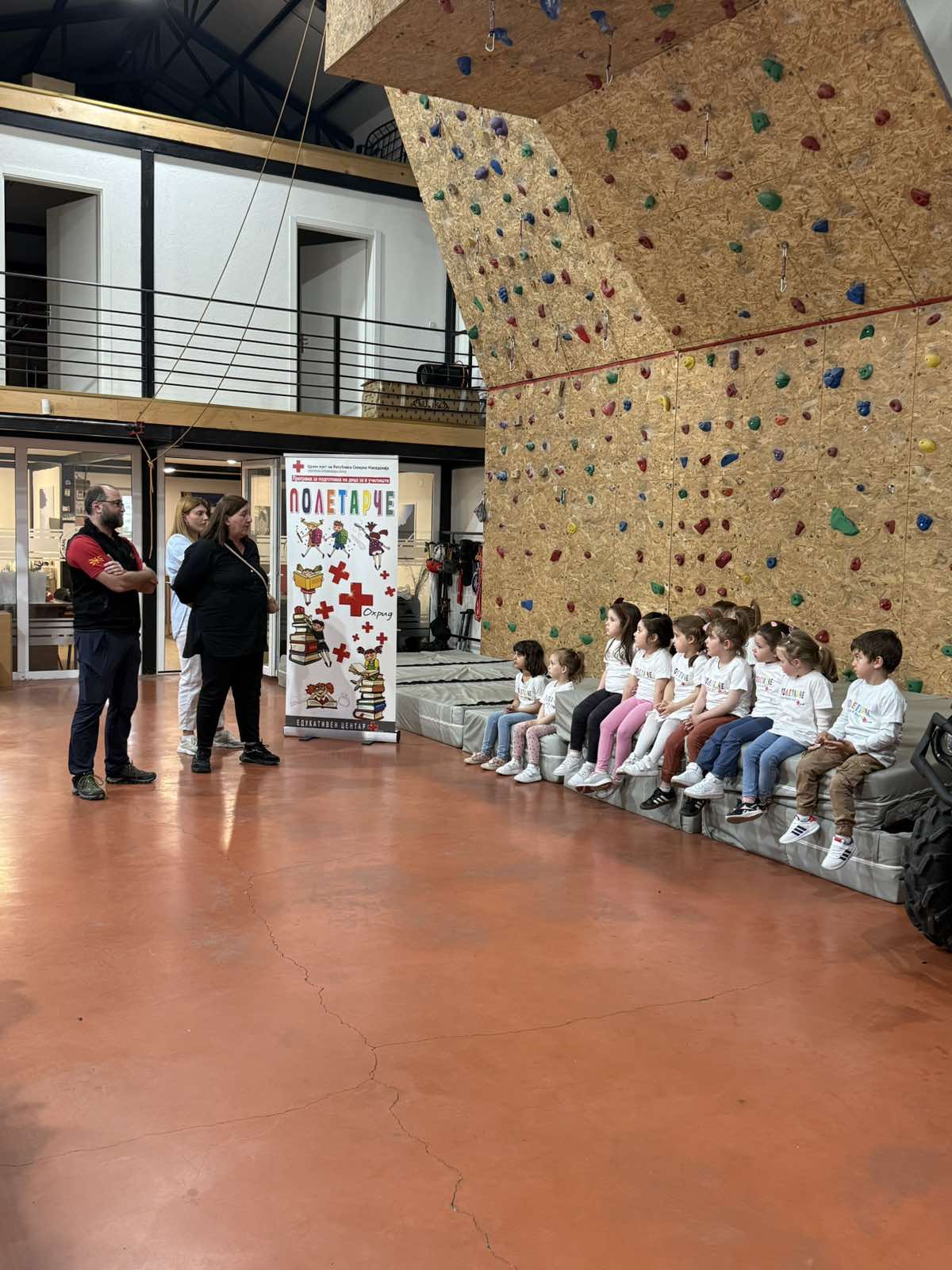
Educational Visit of “Poletarche” Children to the Mountain Rescue Service Operational Centre

In a spirit of friendship, play, learning, and sport, children enrolled in the “Poletarche” Educational Centre of the Red Cross Ohrid concluded the spring cycle of the School Readiness Programme with a special visit to the Operational Centre of the Ohrid Red Cross Mountain Rescue Service.

During the visit, the children were introduced to the work and mission of mountain rescuers, gaining insight into the vital role the Mountain Rescue Service plays in protection and rescue operations in mountainous and hard-to-access areas. Through engaging video presentations of real rescue missions and hands-on demonstrations of specialised rescue equipment, the young visitors were able to experience firsthand how rescuers operate in challenging terrain.

A highlight of the visit was the demonstration of basic climbing techniques on the artificial climbing wall. Adapted to their age and abilities, the activity introduced the children to fundamental principles of safe movement, teamwork, and the proper use of protective equipment, sparking great enthusiasm and curiosity among the group.

This educational initiative stands as a strong example of effective collaboration between the educational programmes of the Red Cross Ohrid and the Mountain Rescue Service. By combining learning with practical experience, the activity contributes to nurturing children’s awareness of safety, teamwork, responsibility, and respect for nature from an early age.

Mountain Eco-Action – Lako Signoj Peak, National Park Galicica

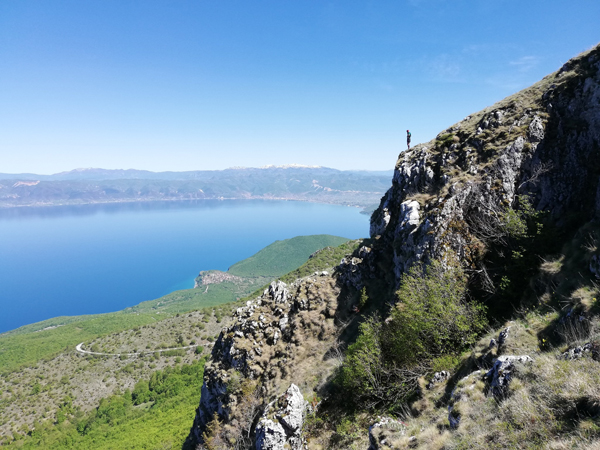
Faced with the deteriorating condition of abandoned infrastructure and scattered waste at one of the most scenic viewpoints within National Park Galicica, members of the Alpine Club PATAGONIA – Ohrid initiated a long-envisioned environmental restoration effort. After several years of preparation and coordination to secure the necessary support, a comprehensive eco-clean-up operation was successfully implemented in June and July 2024 at Lako Signoj Peak (1,984 m above sea level).

With financial support from Prespa Ohrid Nature Trust (PONT), under the project “Adventure Zone in NP Galicica,” and in close cooperation with the park authorities and the Crisis Management Center, club members removed significant remnants of obsolete radio-communication infrastructure — including corroded metal structures, reinforced concrete bases, and heavy steel elements that had disrupted the natural landscape for decades. The intervention required coordinated logistical planning, technical expertise, and strict adherence to environmental protection standards.

The restoration of the summit holds particular importance given its strategic position at the intersection of prominent long-distance and panoramic hiking routes, including the High Scardus Trail and the Lake View Trail. These trails attract thousands of hikers and nature enthusiasts annually, positioning Lako Signoj as both a symbolic and functional landmark within the park’s recreational network. The successful removal of the outdated infrastructure has reinstated the site’s visual integrity and enhanced the overall visitor experience.

The Alpine Club PATAGONIA – Ohrid remains firmly committed to the continued stewardship and sustainable development of this area. Lako Signoj forms an integral part of the broader “Adventure Zone in NP Galicica,” which also encompasses designated alpine and sport climbing sectors, the Via Ferrata “Dobroja,” the Spiridon Mountain Hut, and forthcoming infrastructure and educational initiatives aimed at promoting responsible outdoor recreation and environmental awareness.

This initiative stands as a testament to long-term vision, institutional partnership, and the mountaineering community’s responsibility to safeguard the natural spaces in which it operates.

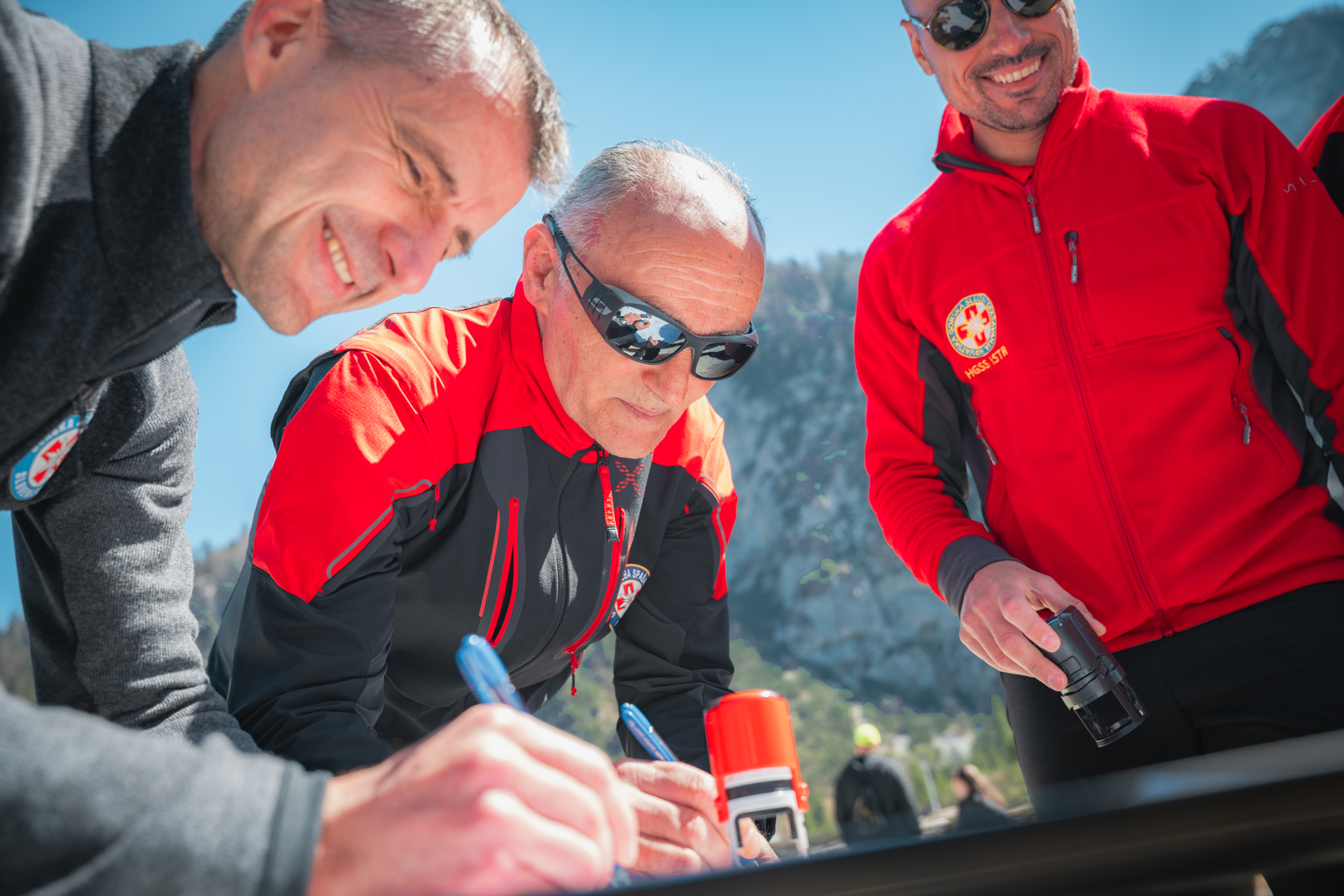
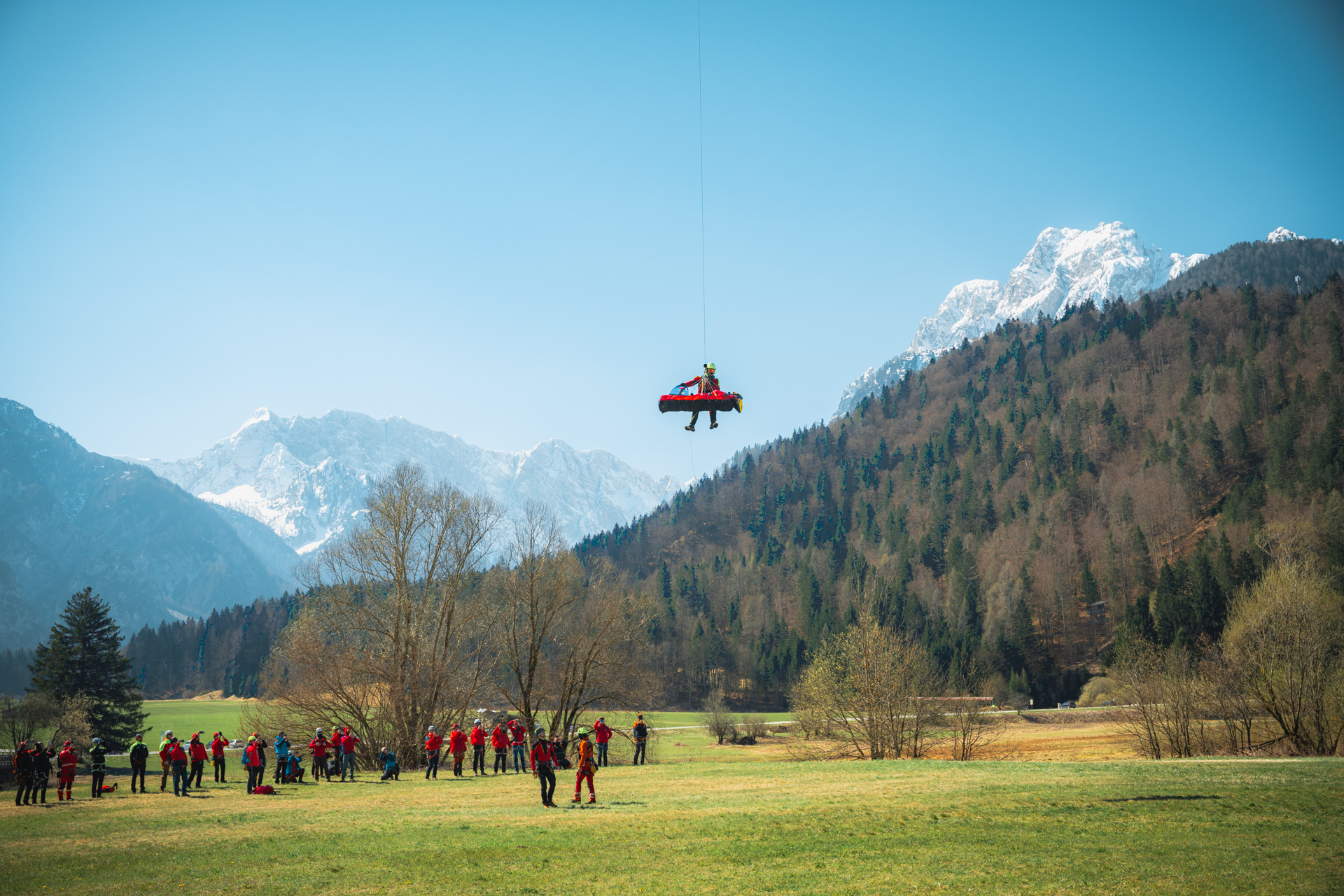
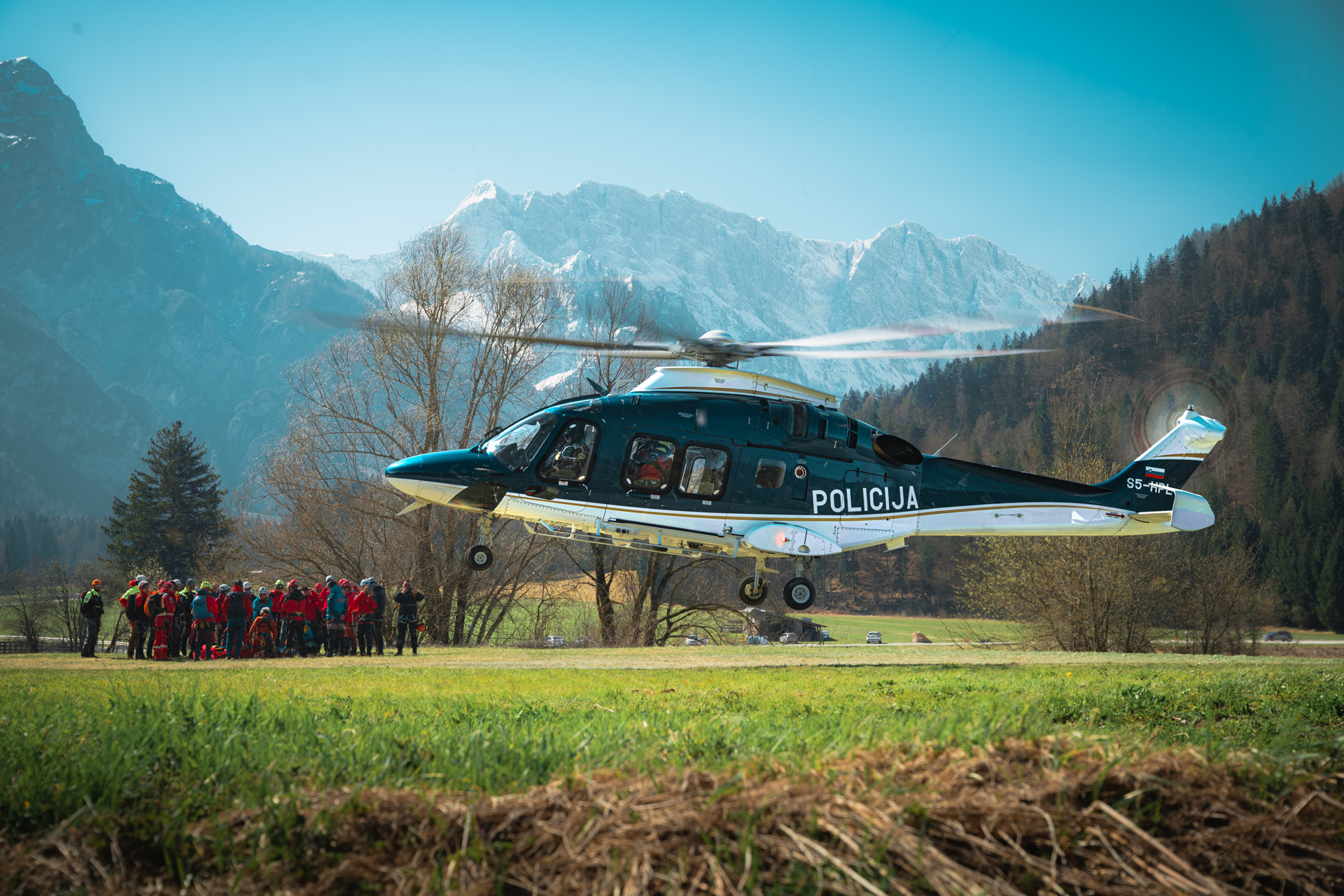
Regional Mountain Rescue Cooperation Agreement Signed in Kranjska Gora

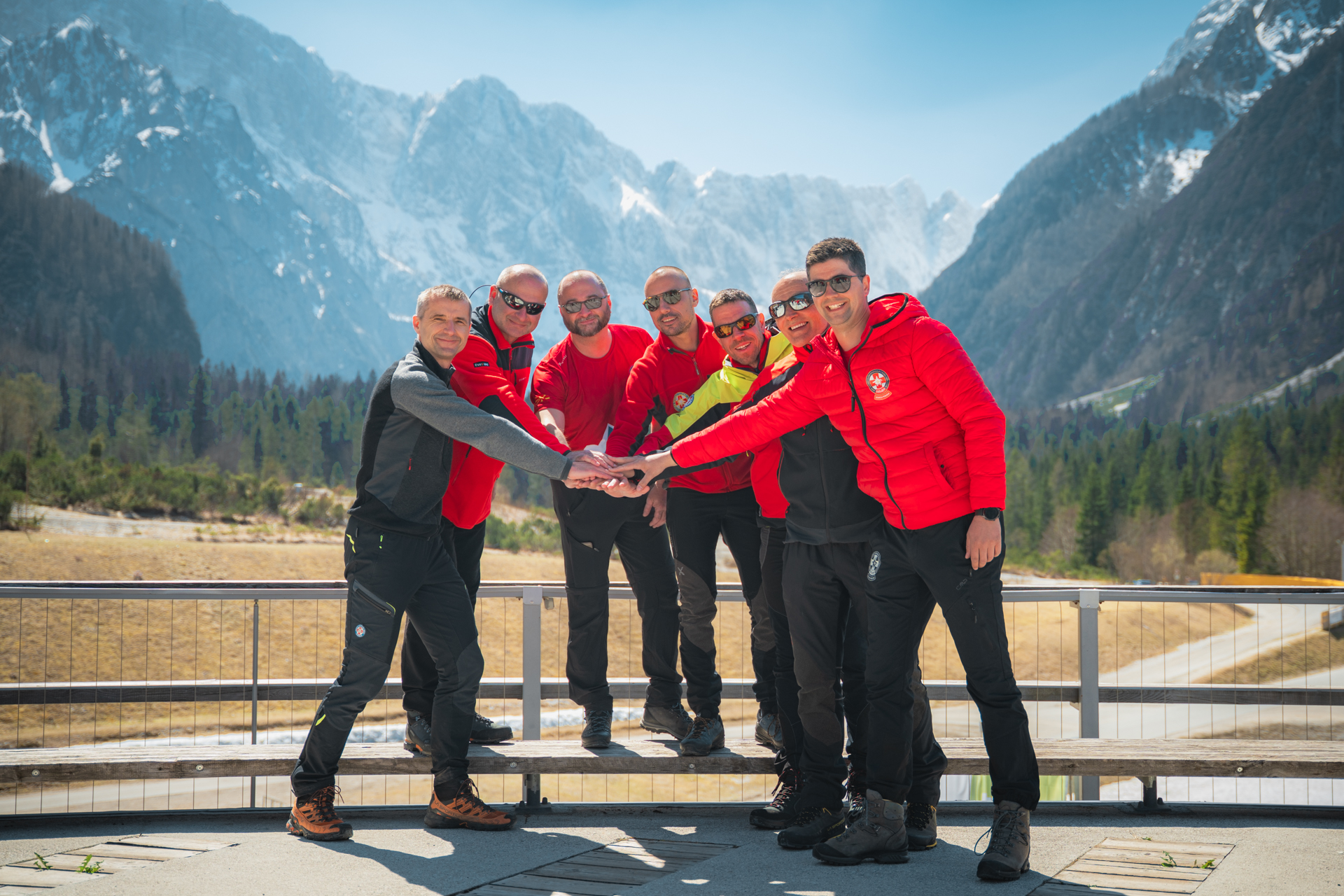
Last weekend, two of our representatives took part in a five-member delegation of the National Union for Mountain Rescue (NUMR) in Kranjska Gora, Republic of Slovenia, where a significant regional cooperation agreement in the field of mountain rescue was formally concluded.

The agreement establishes a comprehensive framework for strengthening cross-border collaboration through the structured exchange of expertise and best practices, coordinated assistance in crisis and emergencies, and the joint development of projects aimed at enhancing operational readiness, technical capacity, and professional standards across mountain rescue services in the region.

Beyond its formal dimension, the agreement reinforces institutional trust, interoperability, and long-term strategic partnership among rescue organisations operating in complex alpine environments. In a context of growing visitor numbers, evolving risk profiles, and climate-related challenges in mountainous areas, such cooperation is essential for ensuring timely, efficient, and coordinated response mechanisms.

We extend our sincere gratitude to our hosts in Kranjska Gora for their warm hospitality and exemplary organisation of the event. This milestone represents an important step toward deeper regional integration and a shared commitment to advancing mountain safety and resilience throughout Southeast Europe.